
As I placed the final piece of cheese on the platter, a sense of anticipation filled the air. The vibrant hues of marinated vegetables, olives, and cheeses against the rustic wood made my mouth water. It’s time to share a delightful Antipasto Platter with friends and family, a quintessential Italian appetizer that’s all about making connections over food. This easy-to-assemble dish requires just 20 minutes of prep, granting you more time to enjoy the company around you. Each bite celebrates a delicious medley of flavors and textures, ensuring there’s something for everyone—from creamy cheeses to crunchy nuts and sweet jams. Ready to impress your guests with this colorful spread and create lasting memories together? Let’s dive into the recipe!
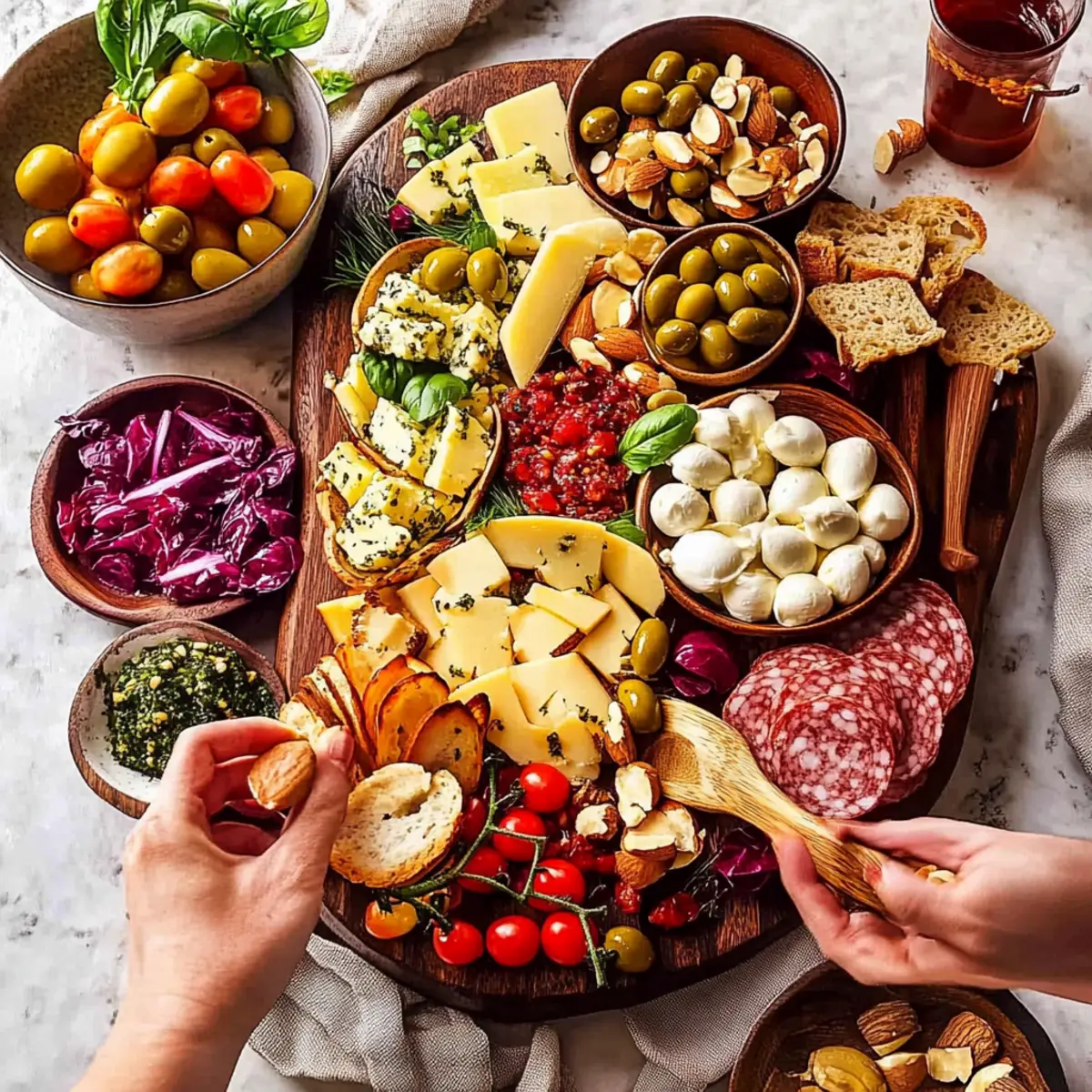
Why is Antipasto Platter a Must-Try?
Effortless assembly: Crafting this platter takes just 20 minutes, giving you more time for fun and less stress in the kitchen.
Flavor explosion: The mix of creamy cheeses, briny olives, and sweet jams creates a delightful balance that will tantalize your taste buds.
Versatile options: Easily customize with seasonal ingredients or different cheeses to suit any gathering, ensuring everyone finds their favorite.
Perfect party centerpiece: Its vibrant colors and variety make it the ideal crowd-pleaser, drawing guests in to savor each savory bite.
Cultural nod: Enjoying antipasto is a wonderful way to share a piece of Italian tradition, all while stimulating conversation and connection.
Have fun mixing and matching flavors with your own twist — check out our serving suggestions for more ideas!
Antipasto Platter Ingredients
For the Platter
- Marinated gigante beans – Adds a creamy texture and flavorful brine; chickpeas are a delightful substitute.
- Marinated mozzarella cheese – Provides a rich, milky flavor; bocconcini can be used for a similar taste.
- Sliced provolone or fontina cheese – Offers a creamy, slightly tangy taste; swap for gouda for a milder profile.
- Parmigiano Reggiano, broken into chunks – Delivers a sharp, nutty flavor; choose Grana Padano as an alternative.
- Mixed olives (e.g., Castelvetrano, Kalamata) – Adds briny richness; feel free to mix your favorite varieties.
- Halved artichoke hearts – Contributes earthiness; marinated mushrooms can serve as a delicious alternative.
- Torn roasted red peppers – Brings sweetness and smokiness; fresh bell peppers can lighten the dish.
- Pepperoncini – Adds mild heat and tang; swap for jalapeños for a spicier twist.
- Cherry tomatoes – Provides a burst of juiciness; grape tomatoes are another great option.
- Radicchio leaves – Introduces a slightly bitter crunch; endive or mixed greens can offer a similar texture.
- Almonds – Offers a nutty crunch; walnuts or pistachios can be used as alternatives.
- Crostini – Serves as a crunchy base for toppings; consider store-bought crackers for convenience.
- Honey or fig jam – Adds a touch of sweetness to balance savory elements; balsamic glaze makes a fantastic substitute.
- Fresh parsley (for garnish) – Enhances presentation with a fresh pop; basil can also be used for an aromatic touch.
Prepare to create a stunning Antipasto Platter that invites everyone to dig in and enjoy the delightful array of flavors!
Step‑by‑Step Instructions for Antipasto Platter
Step 1: Gather Your Ingredients
Begin by collecting all your ingredients for the Antipasto Platter. Choose a variety of cheeses, olives, marinated vegetables, and nuts, ensuring a colorful selection to excite the palate. This process should take about 5 minutes as you chop, slice, or open packages, allowing the vibrant array of colors to inspire you while aiming for a balanced assortment.
Step 2: Prepare the Cheeses
Slice or break the cheeses into bite-sized pieces for easy serving. Aim for a variety of shapes to add visual interest, and place them on a large serving board or platter, ensuring that each type of cheese is accessible. This will take around 5 minutes, allowing the cheeses to shine as the centerpiece of your Antipasto Platter.
Step 3: Arrange the Vegetables and Olives
Now, take the halved artichoke hearts, pepperoncini, and torn roasted red peppers and distribute them around the cheese. Next, add your mixed olives, ensuring they fill any gaps on the board. This step should take approximately 5 minutes. Look for a harmonious layout that combines both color and texture, enticing your guests to dig in.
Step 4: Add Fresh Elements
Incorporate fresh items like cherry tomatoes and radicchio leaves to provide bursts of color and crunch. Halve the tomatoes and scatter them generously on the platter alongside the radicchio. This will add about 3 minutes to your assembly time, bringing a refreshing appeal that balances the rich flavors of the cheesy and marinated items.
Step 5: Fill in with Nuts and Crostini
Now it’s time to add the crunch! Place the almonds around the platter, creating small hills of nutty goodness. Layer crostini or crackers on one side, ensuring guests have a crispy base for toppings. This should take around 4 minutes, ensuring perfect placements that allow for seamless grazing without overcrowding the board.
Step 6: Drizzle with Sweetness
Finish your Antipasto Platter by artfully drizzling honey or fig jam in a small bowl at the center or alongside the platter for dipping. This will add a sweet note that beautifully contrasts with savory components. Allow around 2 minutes for this last touch, enhancing both the flavor and presentation of your beautiful board.
Step 7: Garnish and Present
Finally, garnish with fresh parsley or basil to elevate the presentation of your Antipasto Platter. Sprinkle the herbs over the colorful displays, adding a bright touch that draws attention. This last step should take about 3 minutes, ensuring your platter is not only delicious but a feast for the eyes as well.
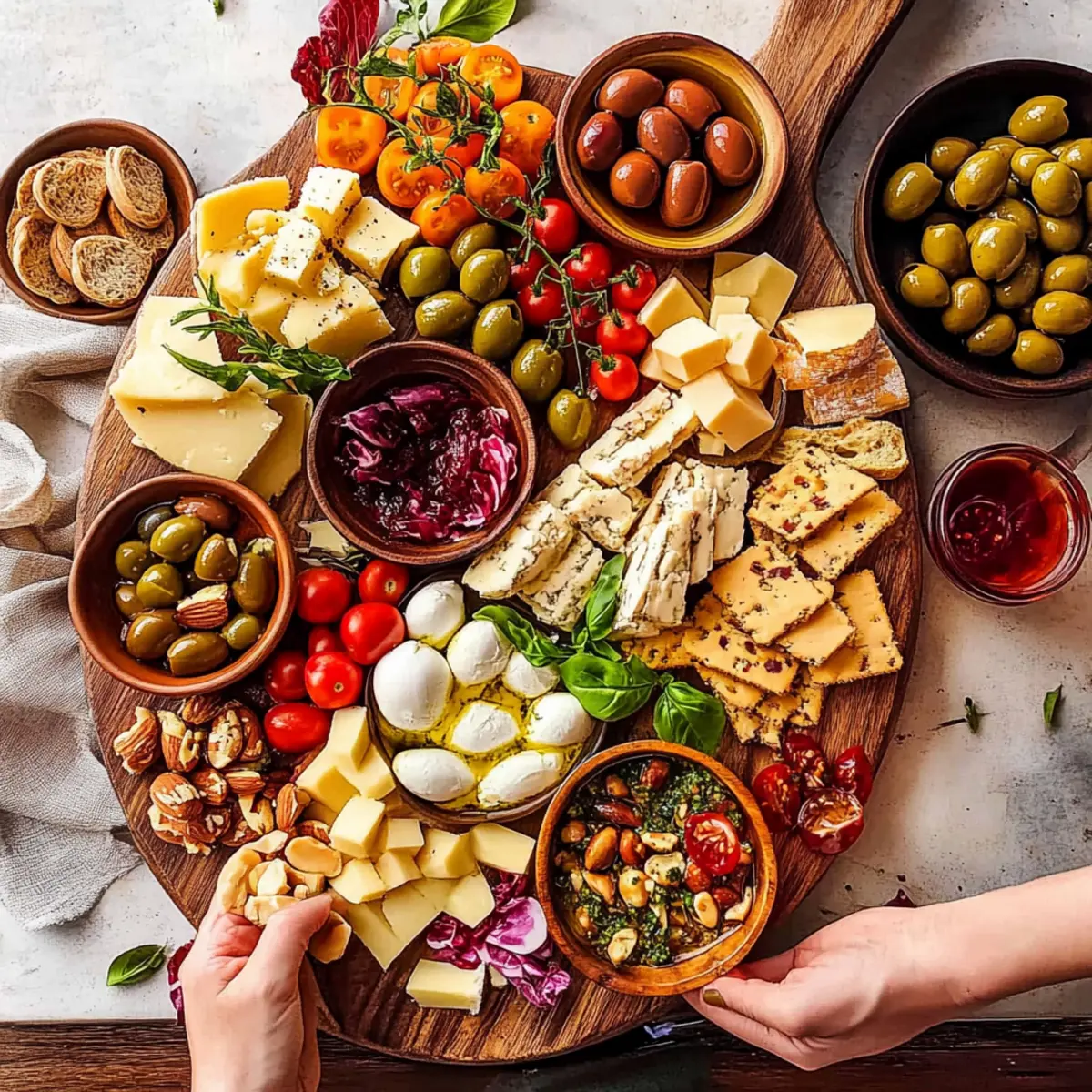
Expert Tips for Antipasto Platter
- Colorful Choices: Use a variety of colors and textures in the ingredients to create a visually stunning antipasto platter that entices guests to dig in.
- Mind the Wet Items: Place any oily or wet components, like olives or marinated veggies, in small bowls to prevent the board from becoming soggy.
- Pre-Slice for Ease: Pre-slice cheeses and other items to encourage effortless grazing, letting your guests enjoy without the hassle of cutting themselves.
- Balance Flavors: Select a mix of salty, sweet, and savory ingredients to achieve a well-rounded flavor profile on your antipasto platter.
- Think Seasonal: Don’t hesitate to swap in seasonal fruits or vegetables, which can add freshness and variety to your antipasto platter that everyone will appreciate.
How to Store and Freeze Antipasto Platter
Fridge: Keep any leftover antipasto components tightly wrapped in airtight containers for up to 3 days. This will maintain the freshness of the cheeses and vegetables.
Refrigerate Assembled Platter: If you prepare the antipasto platter in advance, cover it tightly with plastic wrap and store it in the fridge for up to 4 hours before serving to preserve the flavors.
Freezing: It’s not ideal to freeze an assembled platter due to the texture changes in ingredients like cheese and veggies. However, individual components like marinated beans or olives can be frozen for up to 3 months.
Serving: To enjoy leftovers, simply remove them from the fridge, unwrap, and allow to sit at room temperature for about 15-30 minutes before serving, ensuring a delightful Antipasto Platter experience.
Make Ahead Options
Preparing your Antipasto Platter ahead of time is a game-changer for busy weeknights or gatherings! You can chop and assemble all ingredients, excluding the crackers and fresh garnishes, up to 24 hours in advance. Just refrigerate everything in airtight containers to preserve their flavors and textures. For the best results, keep wet items, such as olives and marinated cheeses, in separate containers to prevent sogginess. When you’re ready to serve, simply arrange the prepped ingredients on a serving platter, add your crackers, drizzle with honey or fig jam, and sprinkle fresh herbs on top. This way, you’ll have a stunning Antipasto Platter that’s just as delicious and ready to impress!
Antipasto Platter Variations & Substitutions
Feel free to unleash your creativity and customize the antipasto platter to your liking with these fun twists!
- Dairy-Free: Use cashew cheese or hummus instead of traditional cheeses for a creamy, dairy-free delight. The rich textures will still elevate your spread beautifully.
- Spicy Kick: Add sliced jalapeños or spicy salami to amp up the heat level, creating an exciting flavor explosion that spice lovers will adore!
- Extra Crunch: Swap in crispy toasted bread or bagel chips for crostini, offering an even crunchier texture that pairs perfectly with soft cheeses.
- Seasonal Twist: Incorporate fruits like figs or pears during the harvest season for a sweet note that contrasts beautifully with the savory elements.
- Vegan Option: Replace cheese with marinated tofu or vegan cheese alternatives for an entirely plant-based antipasto platter that everyone can enjoy.
- Flavor Boost: Drizzle your veggies with a balsamic reduction or a touch of olive oil for enhanced depth of flavor that’ll make your ingredients shine.
- Umami Richness: Add sun-dried tomatoes or artichoke tapenade, enriching the dish with robust umami flavors that will elevate your platter to a whole new level.
- Nut-Free: If you need to skip nuts, consider using seeds like pumpkin or sunflower seeds for a similar crunch without the allergy concerns.
Dive into your antipasto platter experience, and remember, there’s always room for delicious innovation! For more ideas, don’t forget to check out our serving suggestions.
What to Serve with Antipasto Platter?
As you gather around the table, enhance your antipasto experience with delightful pairings that add flavor and warmth to your gathering.
- Fresh Baguette: A crusty baguette provides a perfect base for your cheeses and spreads, letting guests create their own savory bites.
- Sparkling Water: Effervescent sparkling water with a twist of lemon cleanses the palate and complements the rich flavors of the platter.
- Italian Roast Chicken: A tender, herb-seasoned chicken dish complements the antipasto’s bold flavors, making it a satisfying centerpiece for your meal.
- Chilled White Wine: A chilled Pinot Grigio or Verdicchio enhances the bright the flavors of your platter while adding a lovely, refreshing touch.
- Caprese Salad: The freshness of basil, mozzarella, and ripe tomatoes provides a lovely contrast to the richness of the antipasto, adding a light, vibrant note to your spread.
- Grilled Vegetable Skewers: Smoky, charred veggies add depth and flavor, creating a delightful harmony with the cheeses and olives, while still being easy to serve.
- Olive Tapenade: This savory spread offers a concentrated burst of flavor, perfect for slathering on crostini or pairing with cheeses.
- Chocolate-Dipped Strawberries: For dessert, treat your guests with sweet, juicy strawberries—dipped in rich chocolate—to end the meal on a delightful note.
- Espresso: Finish your gathering with a rich cup of espresso—its bold flavor and aroma make for the perfect conclusion to a lovely Italian-inspired meal.
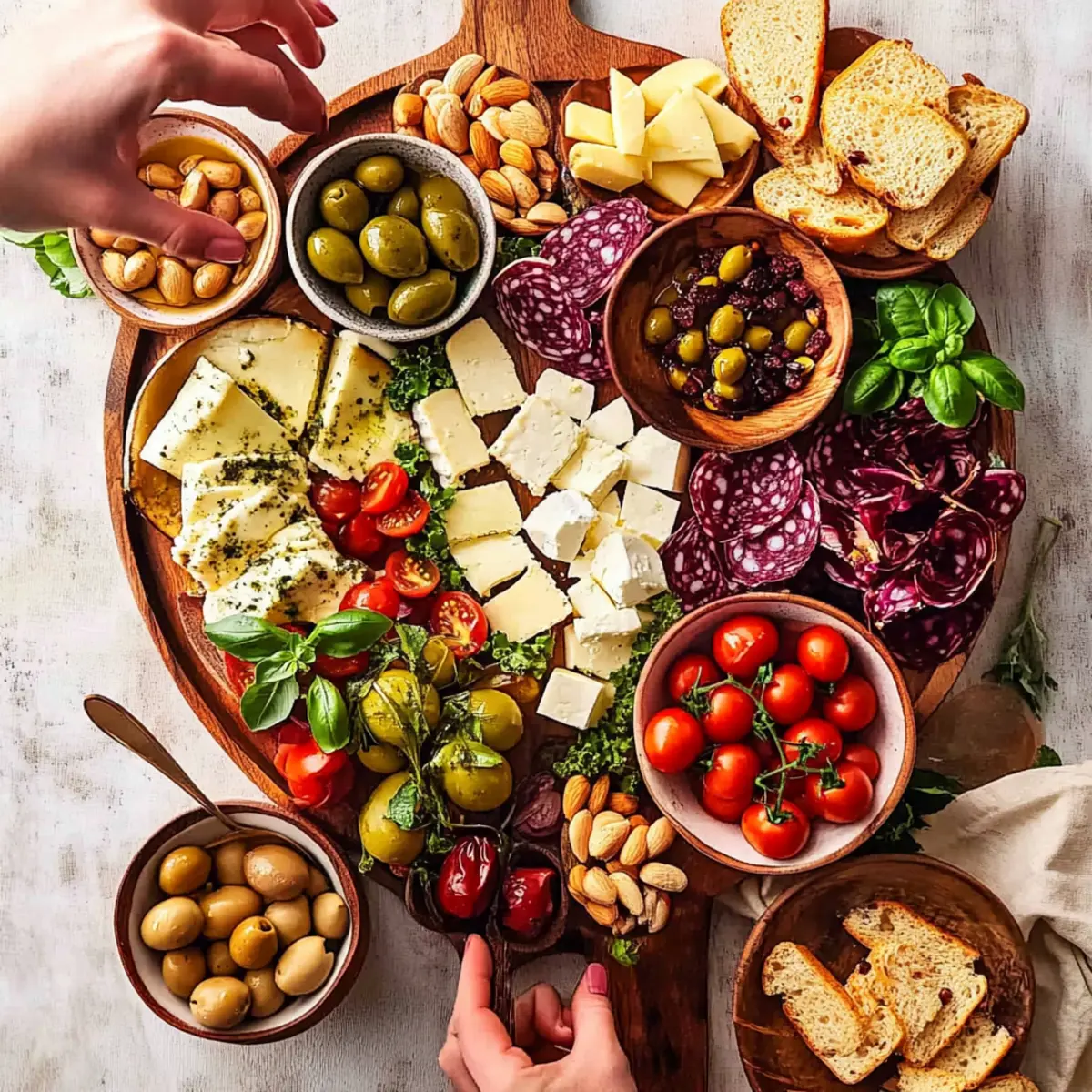
Antipasto Platter Recipe FAQs
What type of olives should I use for my antipasto platter?
Absolutely! You can use a mix of olives, such as Castelvetrano and Kalamata, to provide diverse flavors and textures. I often choose a variety based on what’s available at my local market, ensuring there’s a briny richness that complements the cheeses nicely.
How should I store leftovers from the antipasto platter?
To keep your leftovers fresh, tightly wrap any components in airtight containers and store them in the fridge. They should last for up to 3 days. If you prepared the whole platter in advance, it can stay covered in the fridge for about 4 hours before serving. This way, everything remains delicious until it’s time to enjoy!
Can I freeze any components of my antipasto platter?
While it’s not ideal to freeze the entire assembled antipasto platter due to texture changes in cheeses and veggies, you can freeze separate components! Items like marinated beans or olives can be frozen for up to 3 months. To do this, place them in airtight containers or freezer bags, and be sure to label them with the date for easy reference.
How do I know if my cheeses and veggies are fresh?
Very! When selecting cheeses and vegetables, look for firm textures and bright colors. For cheeses, avoid those with dark spots or a slimy texture. As for veggies, fresh ones should be crisp and vibrant, not wilted or showing signs of browning. If your marinated items taste overly sour or off, it’s best to discard them.
Are there any dietary considerations I should keep in mind?
Definitely! When crafting your antipasto platter, it’s important to consider allergies, especially with nuts and dairy. You can easily customize by including vegan cheeses or nut-free options. If you’re serving guests with dietary restrictions, just ask in advance, and I’m sure they’d appreciate the thoughtfulness!
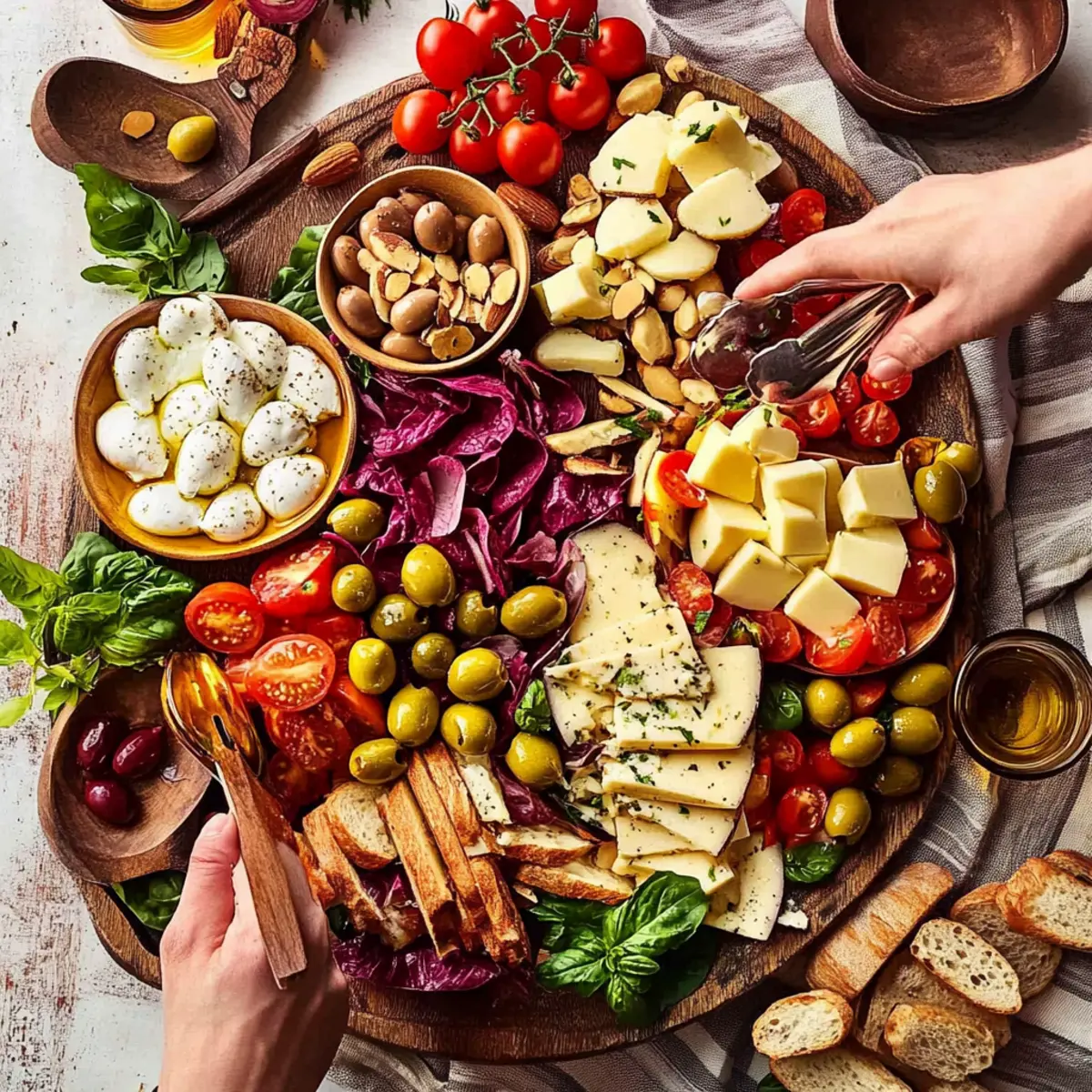
Delightful Antipasto Platter for Effortless Entertaining
Ingredients
Equipment
Method
- Gather all your ingredients for the Antipasto Platter. Aim for a colorful selection, taking about 5 minutes.
- Slice or break the cheeses into bite-sized pieces and place them on a large serving board, taking around 5 minutes.
- Arrange the halved artichoke hearts, pepperoncini, and torn roasted red peppers around the cheese. Fill gaps with mixed olives. This should take 5 minutes.
- Add fresh items like cherry tomatoes and radicchio, which adds about 3 minutes to your assembly time.
- Incorporate the almonds around the platter and layer crostini or crackers, taking around 4 minutes.
- Drizzle honey or fig jam artfully in a small bowl for dipping, enhancing flavors in 2 minutes.
- Garnish with fresh parsley or basil to elevate presentation. This will take about 3 minutes.