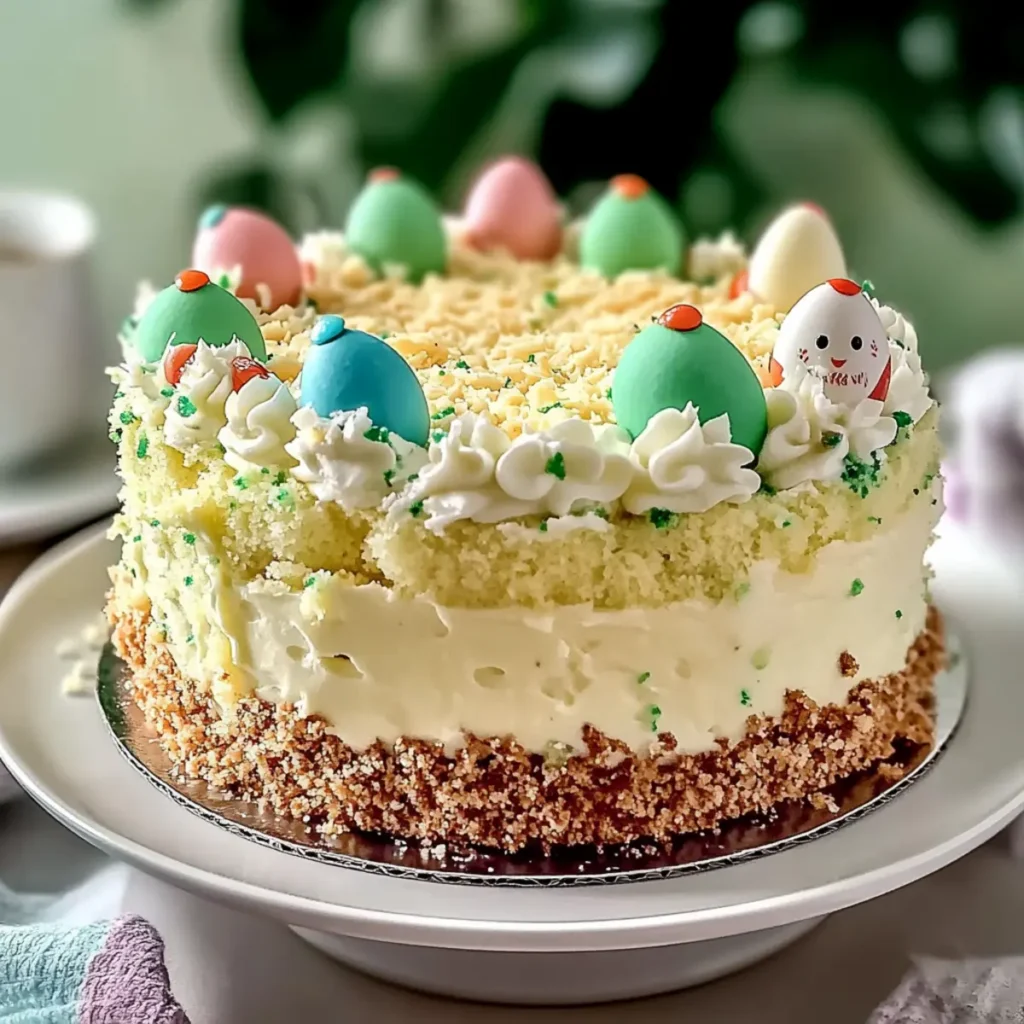

Spring has a way of sneaking up on you, doesn’t it? Just when I thought pancakes and hearty stews were the stars, the vibrant colors of blossoming flowers and festive celebrations come rushing in. Enter the Easy Coconut Easter Cake! This delightful dessert brings joy to any gathering with its tender crumb and creamy mascarpone frosting, perfect for family feasts or intimate celebrations. It’s not just about the charming toppings of robin egg candies; this cake offers a quick prep experience that leaves you more time to enjoy friends and family. With variations like almond extract for an unexpected twist or cream cheese frosting for a tangy bite, it’s infinitely customizable! Are you ready to whip up a slice of springtime joy? Let’s dive into this delicious baking adventure together!
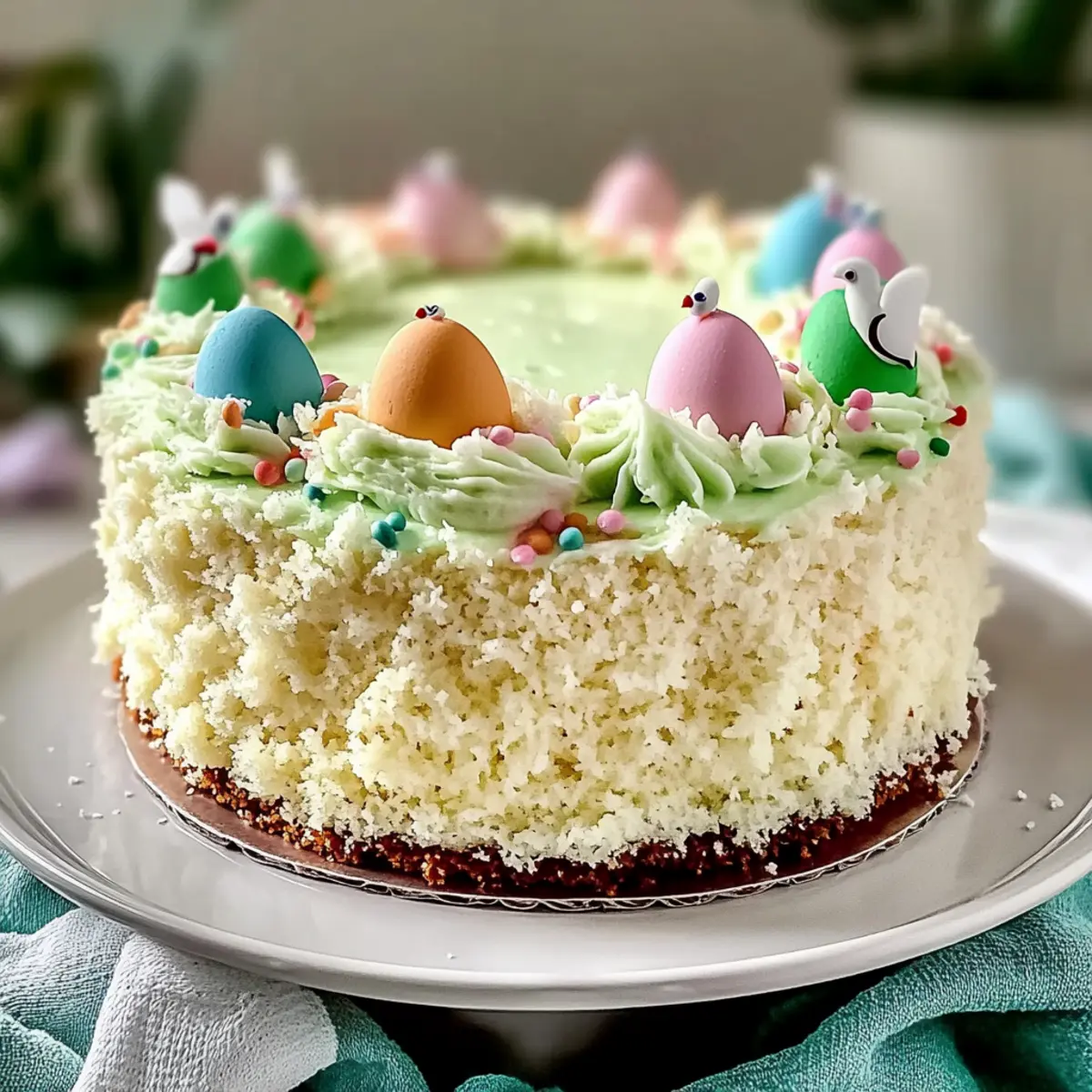
Why is this Coconut Easter Cake special?
Family-Friendly: This Easy Coconut Easter Cake is perfect for all ages, ensuring that everyone at the table can indulge in a slice of sugary delight.
Quick Prep: With a simple process and minimal fuss, you can whip this cake up in no time, leaving you with more precious moments to spend with your loved ones.
Versatile Flavors: Feel free to switch things up—whether it’s adding almond extract for a unique twist or opting for cream cheese frosting for that delightful tang, the possibilities are endless!
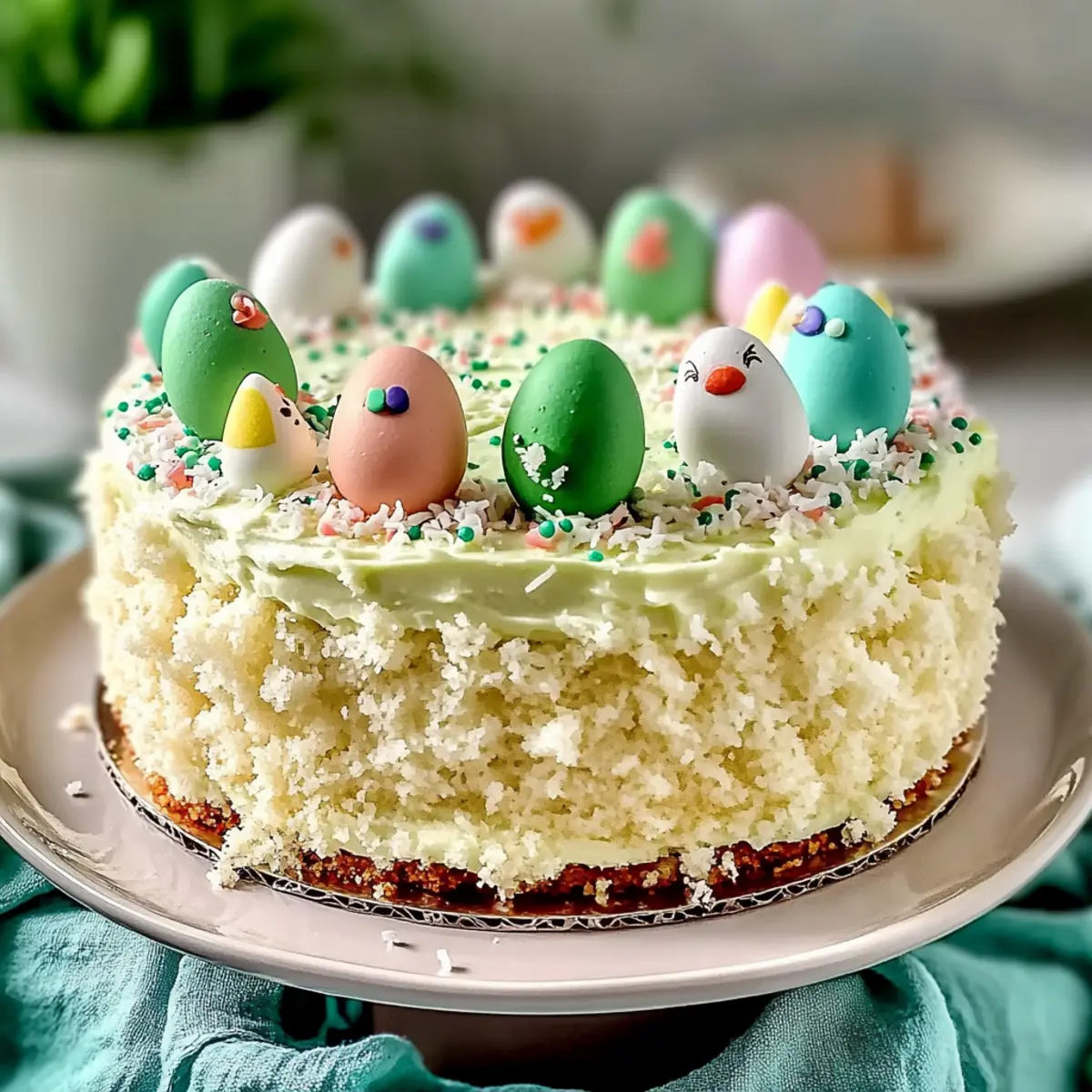
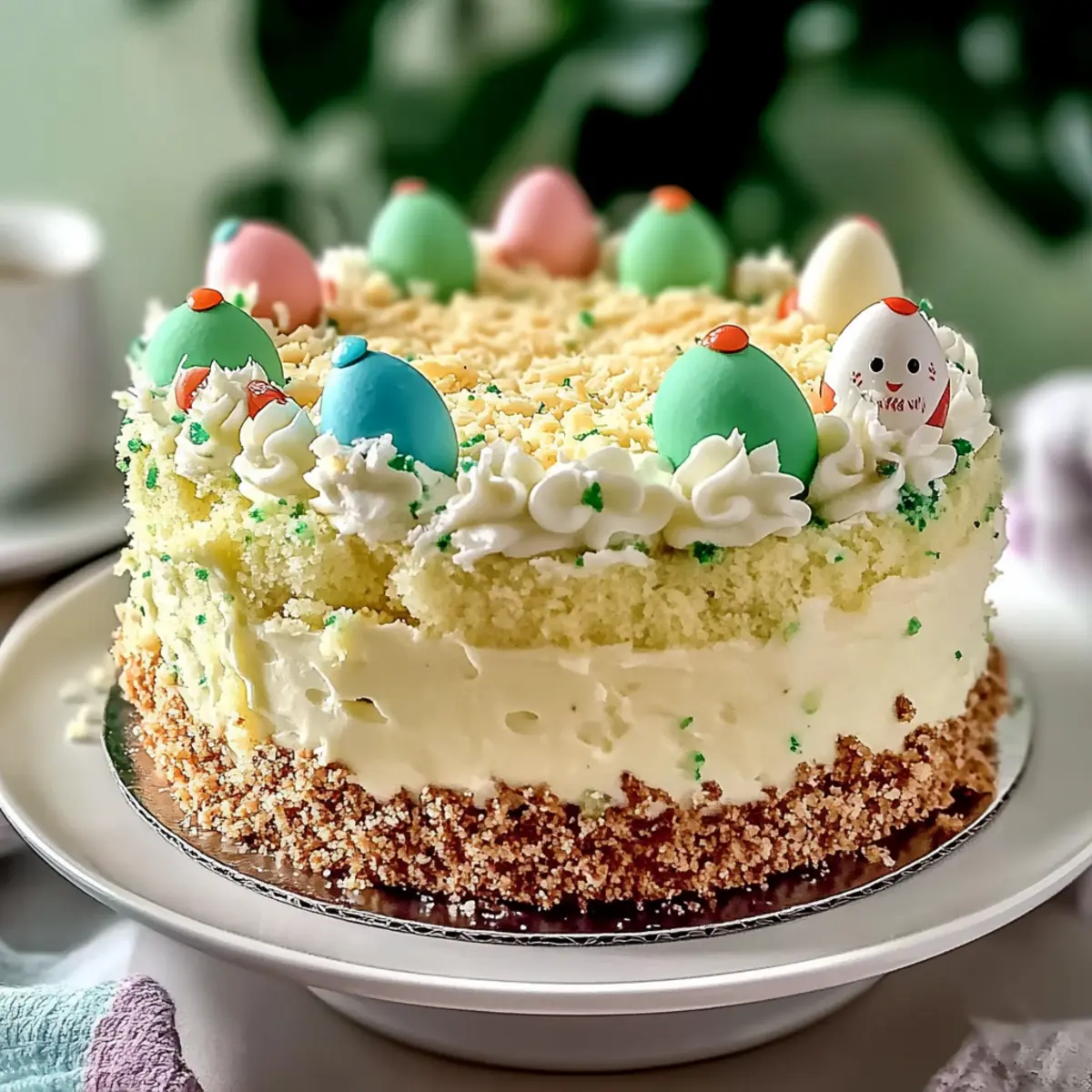
Stunning Presentation: Adorned with vibrant robin egg candies and green-dyed coconut, this cake not only tastes fantastic but also looks fantastic as a centerpiece at any gathering.
Joyful Experience: Baking it is not just about the delicious outcome; it’s about creating joyful memories in the kitchen, making it a truly rewarding experience.
For more cheerful baking, don’t miss out on our delightful Coconut Cake Vape recipe that captures that coconut flavor in a unique way!
Coconut Easter Cake Ingredients
Discover what makes this Coconut Easter Cake a treat worth baking!
For the Cake
- Butter (7 oz) – Adds richness and moisture; consider using Kerrygold for an enhanced flavor.
- Sugar (1 3/4 cups) – Sweetens and contributes to a tender texture, with no substitutions needed.
- Salt (1 tsp) – Enhances all the flavors and balances sweetness; essential for a well-rounded taste.
- Baking Powder (2 1/2 tsp) – Provides leavening for the cake; ensure it’s fresh for the best rise.
- Vanilla Extract (3 tsp) – Adds depth of flavor to the cake; swap with almond extract for a delicious twist.
- Coconut Extract (1/2 tsp) – Enhances the coconut flavor, creating a more tropical taste.
- Eggs (4 large, room temperature) – Essential for structure and moisture; room temperature helps them mix better.
- Egg Yolks (2 large) – Enrich the cake’s texture for a velvety mouthfeel.
- Flour (2 1/4 cups) – Forms the backbone of the cake; King Arthur all-purpose is recommended for great results.
- Milk (1 1/2 cups) – Moistens the batter while activating the baking powder; whole milk is the best choice.
For the Frosting
- Mascarpone (12 oz) – Creates a rich, creamy frosting; cream cheese can be substituted for a tangier alternative.
- Softened Butter (6 oz) – Helps achieve a smooth and spreadable frosting consistency.
- Powdered Sugar (5 1/2 cups) – Sweetens and thickens the frosting; sift to ensure smoothness without lumps.
For the Decoration
- Sweetened Flaked Coconut (4 oz) – Used to beautifully decorate your cake; Baker’s brand is preferred for the best appearance.
- Green Food Coloring – Used to dye coconut for decoration; add cautiously until the desired color is reached.
- Robin Egg Candy (12 oz) – A colorful and fun topping that adds sweetness and festivity; feel free to substitute with your favorite candy if necessary.
Step‑by‑Step Instructions for Coconut Easter Cake
Step 1: Preheat and Prepare Pans
Begin by preheating your oven to 350°F (175°C). While it’s warming up, grease two 9-inch round cake pans with butter and dust them lightly with flour to prevent sticking. This ensures a beautiful, smooth release after baking, setting a solid foundation for your delightful Coconut Easter Cake.
Step 2: Cream Butter and Sugar
In a mixing bowl, cream together 7 ounces of softened butter and 1¾ cups of sugar using a handheld or stand mixer. Beat on medium speed until the mixture becomes light and fluffy, which should take about 5 minutes. This step is crucial for incorporating air into the batter, leading to a soft and tender cake texture.
Step 3: Add Eggs Gradually
Next, add 4 large room-temperature eggs to the creamed mixture, one at a time. Make sure to scrape down the sides of the bowl between additions to ensure everything is well mixed. Then, fold in 2 large egg yolks, which enrich the cake’s moisture and support its tender crumb.
Step 4: Combine Dry Ingredients
In a separate bowl, whisk together 2¼ cups of flour, 2½ teaspoons of baking powder, and 1 teaspoon of salt. This mixture is essential for providing the structure and lift to your Coconut Easter Cake. Once combined, gradually add about one-third of this dry mixture into the wet batter, mixing on low speed until just incorporated.
Step 5: Alternate with Milk
Now, add 1½ cups of whole milk to the mixing bowl, alternating with the remaining flour mixture in stages. This method helps maintain the lightness of the batter. Mix gently until just combined, ensuring not to overmix, as this can lead to a denser cake.
Step 6: Add Flavor Extracts
Incorporate 3 teaspoons of vanilla extract and ½ teaspoon of coconut extract into your batter. These extracts give the Coconut Easter Cake its delightful tropical flavor. Stir well to combine, enveloping your creation with fragrant aromas that will soon fill your kitchen.
Step 7: Bake the Cake Layers
Evenly divide the cake batter between the prepared pans, smoothing the tops with a spatula. Place them in the preheated oven and bake for 25 to 30 minutes. Check for doneness by inserting a toothpick into the center—if it comes out clean, your cakes are ready to be removed from the oven!
Step 8: Cool the Cakes
Once baked, allow the cake layers to cool in the pans for about 10 minutes. After they’ve settled, gently run a knife around the edges and flip them onto wire racks to cool completely. This cooling process ensures that the layers hold their shape and get ready for frosting.
Step 9: Prepare the Frosting
For the mascarpone frosting, combine 12 ounces of mascarpone cheese and 6 ounces of softened butter in a mixing bowl. Beat until the mixture is smooth, then gradually sift in 5½ cups of powdered sugar along with 1 teaspoon of vanilla extract. Mix until you achieve a fluffy and creamy consistency.
Step 10: Frost the Cake
Once the cakes are completely cool, take the first layer and spread a generous amount of frosting on top. Carefully place the second layer on top and proceed to frost the sides and the top of the cake. The creamy layer enveloping your Coconut Easter Cake enhances both its flavor and presentation.
Step 11: Chill and Set
To let the frosting set beautifully, chill your frosted cake in the refrigerator for at least 30 minutes. This step not only helps the frosting firm up but also makes slicing easier and maintains the stunning look of your cake for guests to admire.
Step 12: Decorate with Coconut and Candies
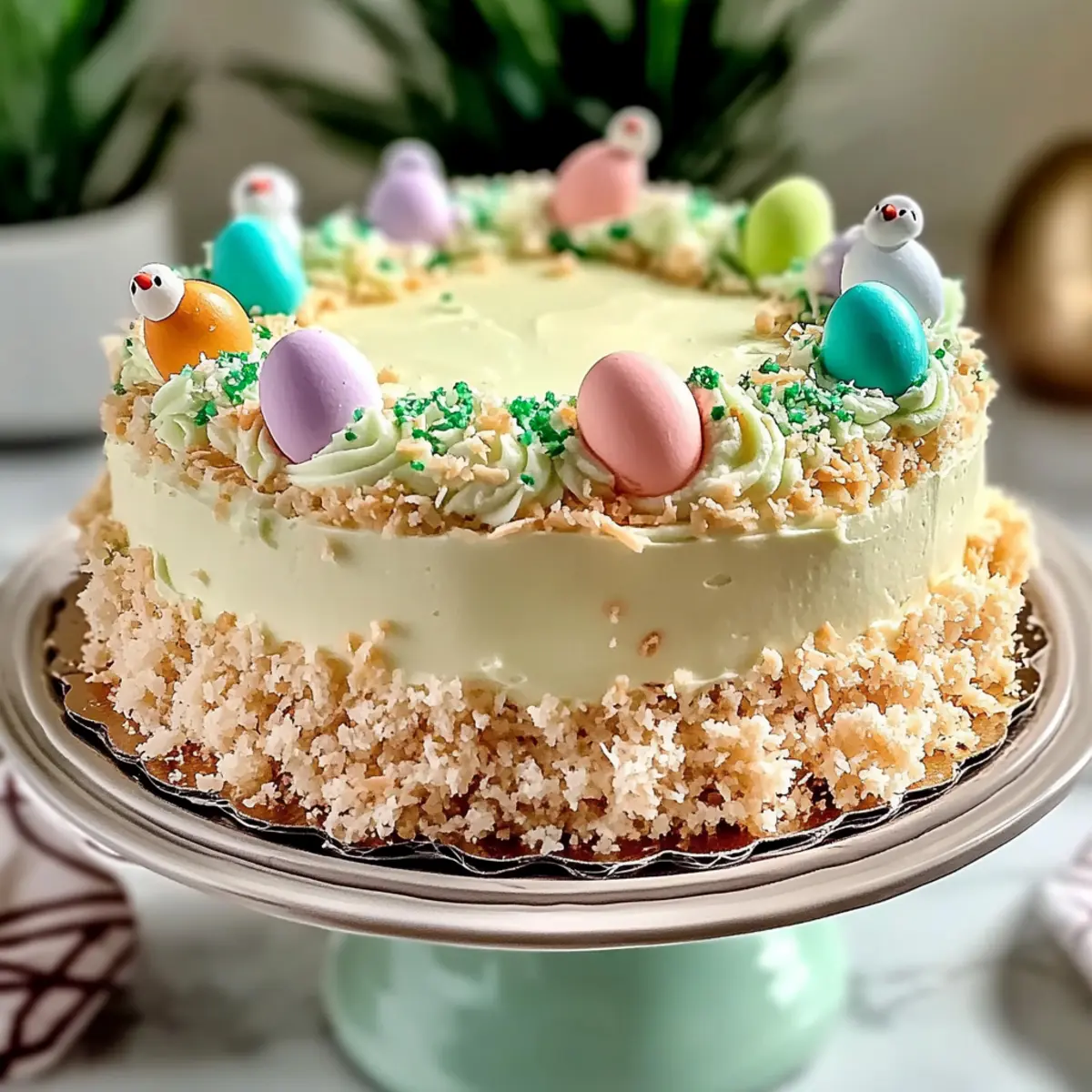
While your cake chills, dye 4 ounces of sweetened flaked coconut with green food coloring to create a vibrant grass effect. Once set, remove the cake from the fridge and sprinkle the colored coconut over the top. Finish off by placing 12 ounces of robin egg candies on top for a festive touch that brings your Coconut Easter Cake to life!
Make Ahead Options
These Easy Coconut Easter Cakes are perfect for meal prep and can save you valuable time when preparing for celebrations! You can bake the cake layers up to 3 days in advance; simply allow them to cool completely before wrapping them tightly in plastic wrap and refrigerating. The frosting can also be made ahead and stored in the fridge for up to 24 hours. To maintain the cake’s quality, frost the layers just before serving to ensure the frosting remains fresh and doesn’t soften. When you’re ready to serve, stack the layers, frost, and decorate with the coconut and robin egg candies for a stunning, restaurant-quality finish that family and friends will love!
Expert Tips for Coconut Easter Cake
-
Cooling Is Key: Ensure your cake layers cool completely before frosting. Otherwise, you risk a melted frosting disaster!
-
Mixing Technique: Alternate adding the flour and milk in stages to retain the airy texture. It’s crucial for that delightful crumb in your Coconut Easter Cake.
-
Oven Accuracy: Use an oven thermometer to confirm the temperature. An incorrect temperature can lead to uneven baking, affecting your cake’s rise.
-
Sifting Powdered Sugar: Sift the powdered sugar before adding it to your frosting. This simple step guarantees a smooth consistency, free of lumps.
-
Gradual Food Coloring: When dyeing coconut, add food coloring gradually. This approach allows for better color control and prevents over-saturation.
What to Serve with Easy Coconut Easter Cake
Springtime gatherings are all about vibrant flavors and delightful textures, and this cake is the perfect centerpiece to inspire a full meal.
-
Fresh Berries: A medley of strawberries, blueberries, and raspberries will add a refreshing brightness, cutting through the cake’s sweetness beautifully.
-
Light Lemon Sorbet: The tartness of lemon sorbet acts as a palate cleanser, providing a refreshing contrast to the rich coconut flavor and creamy frosting.
-
Creamy Vanilla Ice Cream: A scoop of smooth vanilla ice cream adds a luxurious, creamy texture, making each bite of the cake even more irresistible.
-
Elderflower Cordial: This light, floral drink elevates the dessert experience, bringing a touch of elegance and pairing wonderfully with the flavors of coconut.
-
Minted Iced Tea: Serve chilled mint iced tea for a refreshing and slightly herbal companion that balances the sweetness of the cake.
-
Coffee or Espresso: The rich, warm flavors of coffee or espresso complement the cake perfectly, offering a comforting and familiar combination ideal for gatherings.
-
Coconut Macaroons: For an extra coconut kick, serve alongside these chewy, sweet treats, creating a dessert table full of coconut goodness.
Pairing these delightful sides with your Easy Coconut Easter Cake will ensure a memorable meal that leaves everyone smiling and satisfied!
How to Store and Freeze Coconut Easter Cake
Fridge: Keep the frosted Coconut Easter Cake covered in the refrigerator for up to 4 days to maintain its freshness and prevent drying out.
Freezer: For longer storage, wrap unfrosted cake layers tightly in plastic wrap and then in aluminum foil. They can be frozen for up to 3 months.
Thawing: Thaw frozen layers overnight in the fridge before frosting, ensuring they remain moist and ready for decoration.
Reheating: If you prefer a warm slice, microwave individual pieces for 10-15 seconds, or enjoy it chilled for a refreshing treat!
Coconut Easter Cake Variations & Substitutions
Feel free to explore your creativity with this delightful cake! These exciting twists will enhance your baking experience.
- Almond Extract: Swap almond extract in place of vanilla for a subtle nutty flavor that beautifully complements the coconut.
- Cream Cheese Frosting: Use cream cheese for the frosting instead of mascarpone for a tangier, richer taste that pairs perfectly with the cake’s sweetness.
- Decorative Candies: Experiment with different candies, like jelly beans or chocolate eggs, for an even more fun and colorful presentation. It’s a great way to personalize your cake!
- Dairy-Free Option: Substitute all dairy products with coconut milk, olive oil, or non-dairy cream cheese for a coconut-infused alternative that’s perfect for vegan friends.
- Reduced Sugar: Cut down on sugar by using a sugar substitute in the frosting for a lighter version without losing the delicious taste.
- Add Fruits: Incorporate fresh fruits, such as crushed pineapple or ripe mango, into the batter for added flavor and moisture—perfect for those tropical vibes!
- Coconut Texture: Use unsweetened shredded coconut in the batter for a chewier texture and enhanced coconut flavor throughout the cake.
- Heat Factor: If you like a little kick, add a pinch of cayenne or chili powder to the batter to create a sweet-spicy combo that surprises and delights.
Remember, baking is all about having fun, so don’t hesitate to make this Coconut Easter Cake uniquely yours! For more delightful recipes, check out our charming Fricassee Cake Global or refreshingly sweet Strawberry Cake Filling.
Easy Coconut Easter Cake Recipe FAQs
How do I choose the best ingredients for my Coconut Easter Cake?
Absolutely! When selecting your ingredients, ensure the butter is softened but not melted to create that lovely creamy texture when mixed. For eggs, opt for large ones at room temperature for even mixing and a better rise. If you’re using extracts, go for pure vanilla and coconut extracts for the most authentic flavor; these make all the difference in the taste of your cake!
How should I store my Coconut Easter Cake?
To keep your frosted Coconut Easter Cake fresh, cover it tightly with plastic wrap or store it in an airtight container in the refrigerator for up to 4 days. If you want to enjoy it later, unfrosted cake layers can be wrapped tightly in plastic and then in aluminum foil, allowing for storage in the freezer for up to 3 months. Thaw the layers overnight in the fridge before frosting for the best results.
Can I freeze my Coconut Easter Cake?
Yes, you can! For freezing, make sure to wrap the unfrosted layers securely to avoid freezer burn. Wrap each layer first in plastic wrap and then in aluminum foil. This way, your cake remains protected and can be enjoyed up to 3 months later. When ready to eat, simply thaw it in the refrigerator overnight before adding your frosting.
What if my cake layers rise unevenly?
Very! If your cake layers rise unevenly, there are a couple of troubleshooting steps to consider. First, check your oven temperature with an oven thermometer to ensure it’s accurate; incorrect temp can lead to uneven baking. Second, always make sure to gently mix your batter and avoid overmixing after adding the flour, as this can lead to dense layers. If you find yourself with a dome shape, don’t worry—just level the tops with a serrated knife before frosting!
Are there any dietary considerations I should keep in mind?
Absolutely! If you’re baking for someone with dietary restrictions, consider swapping mascarpone for lactose-free cream cheese to accommodate lactose intolerance. Additionally, always check your extracts for allergens, as some brands may contain nut traces if you’re catering for allergies. If you want a nut-free option, stick to vanilla extract and ensure your toppings are also nut-free.
Can I enhance the flavor of my Coconut Easter Cake?
Yes, you can! If you’re looking to elevate the flavor profile, substitute almond extract for the vanilla in the cake batter for a delightful twist. You could also add a handful of shredded coconut to the batter for an extra coconut punch! Make sure to adjust accordingly, but these little additions can take your cake to the next level of deliciousness!
Coconut Easter Cake: A Festive Family Delight Awaiting You
Ingredients
Equipment
Method
- Preheat your oven to 350°F (175°C) and prepare two 9-inch round cake pans by greasing them with butter and dusting with flour.
- Cream together 7 ounces of softened butter and 1¾ cups of sugar until light and fluffy, about 5 minutes.
- Add 4 large room-temperature eggs one at a time, scraping down the bowl, then fold in 2 large egg yolks.
- Whisk together 2¼ cups of flour, 2½ teaspoons of baking powder, and 1 teaspoon of salt. Gradually add to the wet batter.
- Alternate adding 1½ cups of whole milk with the remaining flour mixture, mixing gently until just combined.
- Incorporate 3 teaspoons of vanilla extract and ½ teaspoon of coconut extract, mixing well.
- Divide the batter between the prepared pans and bake for 25 to 30 minutes, checking doneness with a toothpick.
- Let the cake layers cool in the pans for 10 minutes, then transfer to wire racks to cool completely.
- For the frosting, beat together 12 ounces of mascarpone and 6 ounces of softened butter until smooth, then sift in 5½ cups of powdered sugar.
- Frost the first cake layer, then place the second layer on top and frost the sides and top.
- Chill the frosted cake in the refrigerator for at least 30 minutes to set the frosting.
- Dye 4 ounces of flaked coconut with green food coloring, then sprinkle it over the top of the cake along with robin egg candies.