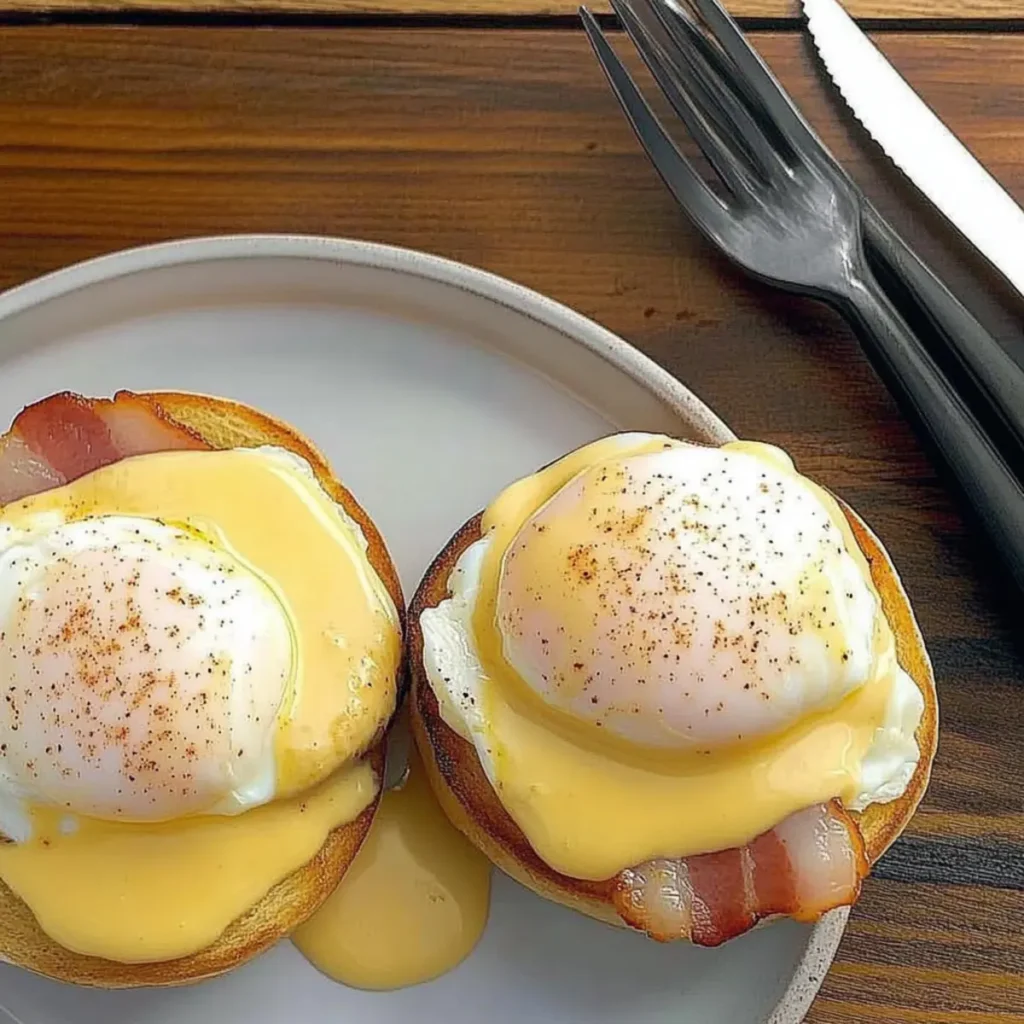

The aroma of brunch wafts through the air, beckoning you to the kitchen. There’s something undeniably special about whipping up a plate of Classic Eggs Benedict, where perfectly poached eggs meet toasted English muffins, all laced with rich, homemade hollandaise sauce. This traditional brunch dish is more than just a meal; it transforms any gathering into a delightful experience, offering a comforting yet indulgent touch. Not only is it visually stunning, but it’s also surprisingly simple to prepare, making it an impressive centerpiece without consuming your entire morning. With the flexibility to swap ingredients and create exciting variations, you can put your unique spin on this beloved classic. Ready to dive into the world of brunch? What flavor twist will you add to your Eggs Benedict?
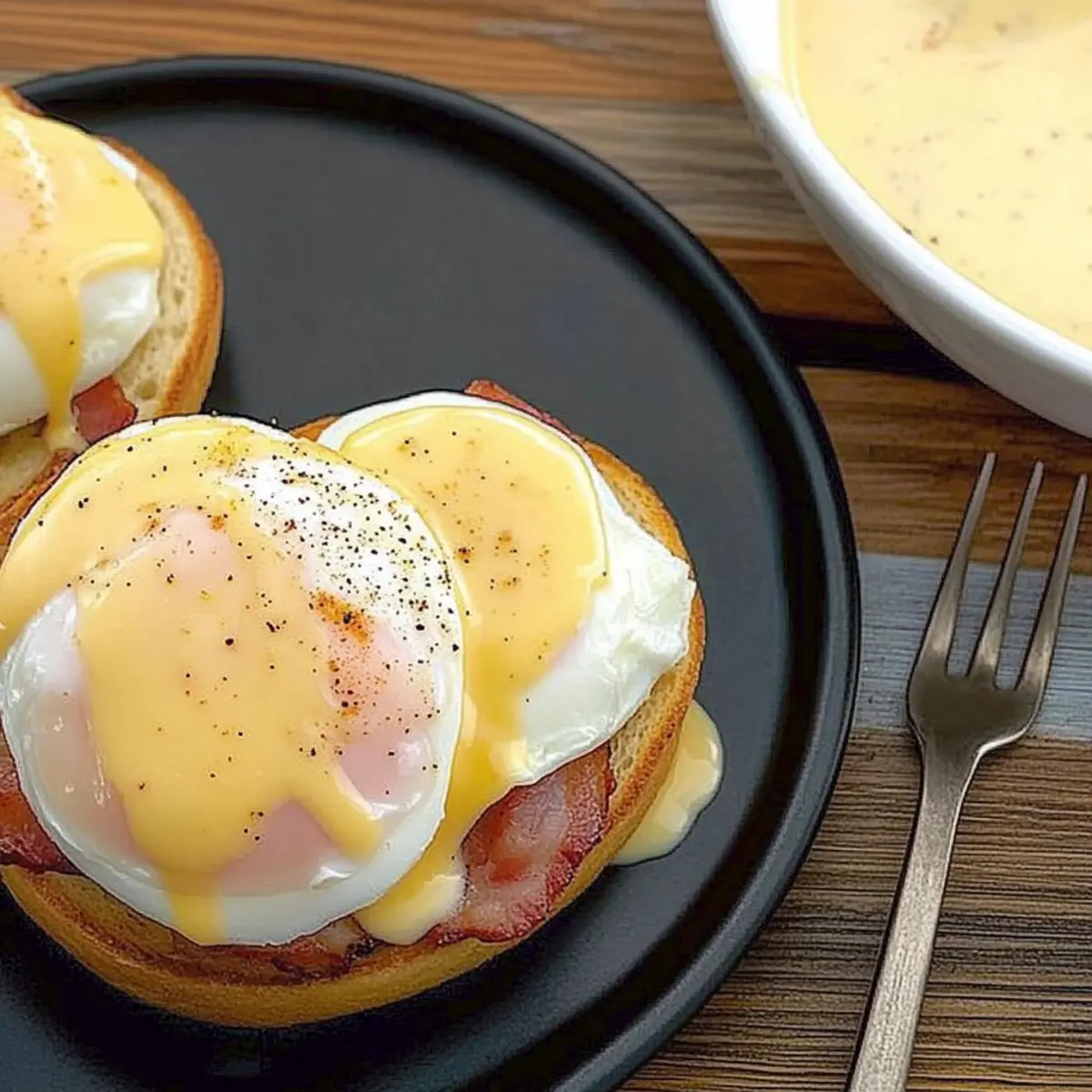
Why is Eggs Benedict a Brunch Favorite?
Indulgent, Classic Eggs Benedict is the epitome of brunch elegance, elevating any gathering with its rich flavors and stunning presentation. Simplicity, despite its luxurious appearance, this dish is simple to whip up, making it perfect for both novice and experienced chefs. Versatile, you can easily switch up the proteins or add unique garnishes to suit your palate. Crowd-pleaser, it’s the type of dish that impresses guests and family alike, turning any meal into a celebration. Fresh ingredients truly shine in this recipe, especially with the vibrant hollandaise that ties it all together. Experience the joy of homemade brunch with this timeless classic!
Eggs Benedict Ingredients
For the Hollandaise Sauce
• Egg Yolks – Provides richness and forms the base of hollandaise sauce; ensure freshness for best flavor.
• Water – Used to help emulsify the hollandaise and regulate temperature for a smooth texture.
• Lemon Juice – Adds acidity to hollandaise, balancing the richness; fresh is best for maximum flavor.
• Butter – The primary fat for emulsifying hollandaise, contributing to its creaminess; use unsalted for better seasoning control.
• White Pepper – Adds a mild heat and subtle flavor to hollandaise; can substitute with black pepper if preferred.
For the Eggs and Assembly
• Large Eggs – Essential for poaching; fresh eggs yield better shape and texture for your Eggs Benedict.
• English Muffins – The sturdy base for the dish; can easily swap with any preferred bread.
• Canadian Bacon – Traditional protein layer; feel free to substitute with cooked ham or other meats for variety.
• Paprika – For garnish; adds a pop of color and a hint of warmth to the final dish.
With these Eggs Benedict ingredients, you’re ready to create a brunch masterpiece that will delight your family and friends!
Step‑by‑Step Instructions for Eggs Benedict
Step 1: Make the Hollandaise Sauce
In a double boiler, whisk together egg yolks, water, and lemon juice over simmering water. Continue whisking until the mixture thickens and reaches 160°F, about 5 minutes. Gradually add melted unsalted butter while whisking continuously until fully emulsified. Incorporate white pepper for flavor, then remove from heat and keep warm as you prepare the rest of the dish.
Step 2: Poach the Eggs
Fill a pot with water and bring it to a gentle simmer over medium heat. Add a splash of vinegar to help the egg whites coagulate. Crack each fresh egg into a small bowl before gently lowering it into the water. Cook for 2-4 minutes until the whites are set, but yolks remain soft. Use a slotted spoon to carefully remove the poached eggs and set them aside while you toast the muffins.
Step 3: Toast the English Muffins
Slice your English muffins in half and toast them until golden brown and crispy, about 3-5 minutes in a toaster or under a broiler. Ensure they’re evenly toasted for a delightful crunch that complements the rich flavors of the Eggs Benedict. Once toasted, keep the muffin halves warm on a plate as you prepare the final assembly.
Step 4: Assemble the Eggs Benedict
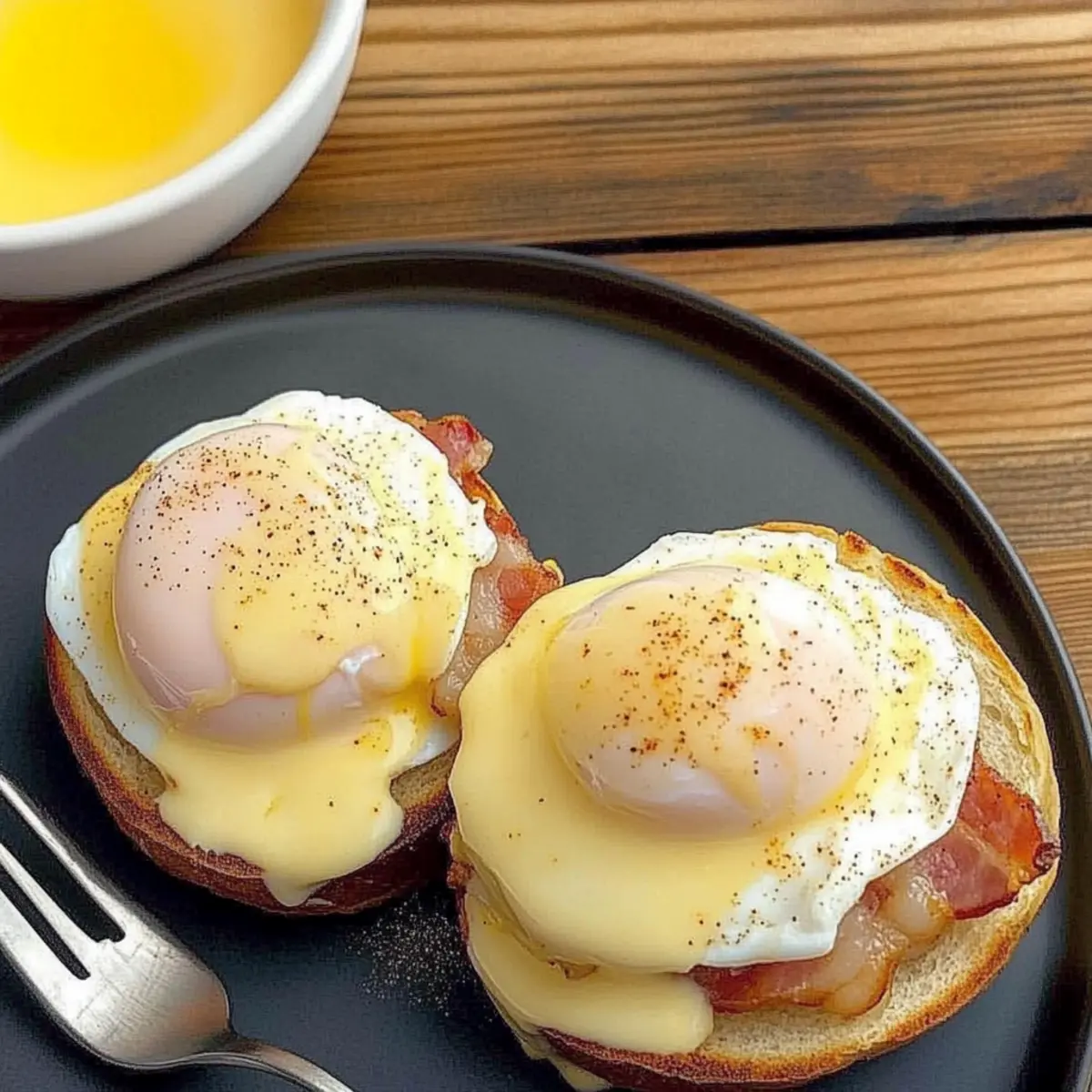
On each toasted English muffin half, layer a slice of warm Canadian bacon, followed by a perfectly poached egg. Drizzle about two tablespoons of your homemade hollandaise sauce generously over the top of each egg. Optionally, sprinkle with a dash of paprika for color and touch of warmth. Serve immediately for the best result and to enjoy the luscious textures of this classic Eggs Benedict.
Eggs Benedict Variations & Substitutions
Feel free to get creative with your Eggs Benedict and customize it to your taste! The world of flavors is at your fingertips, so let your imagination run wild.
- Smoked Salmon: Swap Canadian bacon for silky smoked salmon for a luxurious, seafood-inspired twist.
- Avocado: Replace meat with creamy avocado slices for a delicious vegetarian option that’s equally satisfying.
- Spicy Hollandaise: Add a pinch of cayenne pepper or hot sauce to elevate the hollandaise, giving it a flavorful kick.
- Mini Bagel: Use toasted mini bagels instead of English muffins for a fun, bite-sized version that’s perfect for brunch parties. A delightful twist that adds character to your dish!
- Reuben Style: Incorporate corned beef and sauerkraut for a Reuben-inspired Eggs Benedict, topped with a drizzle of thousand island dressing instead of hollandaise.
- Seasonal Veggies: For an earthy flavor boost, add sautéed spinach, mushrooms, or roasted tomatoes beneath the poached egg for more depth.
- Aromatic Herbs: Sprinkle fresh chives or dill over the hollandaise for a fresher, herbaceous note, enhancing the overall flavor beautifully.
- Gluten-Free Options: Substitute English muffins with gluten-free bread or hash browns for a tasty alternative, perfect for those following a gluten-free diet.
Feel inspired? Experiment with these alterations to create a brunch experience that’s truly your own. And if you’re curious about pairing your dish, consider serving it alongside a light salad or some crispy home fries. Happy cooking!
Expert Tips for Eggs Benedict
Fresh Ingredients: Ensure all components are fresh, especially the eggs for poaching, to achieve the best taste and texture in your Eggs Benedict.
Temperature Control: Keep your hollandaise sauce warm but not hot; overheating can cause it to break apart.
Vinegar Trick: Add vinegar to the poaching water to help the egg whites set perfectly and avoid a messy appearance.
Immediate Serving: Serve your Eggs Benedict right after assembly for that perfect runny yolk; hollandaise will thicken as it cools.
Experiment with Flavors: Don’t hesitate to try variations, like smoked salmon or avocado, to make your Eggs Benedict unique and exciting!
What to Serve with Classic Eggs Benedict
Elevate your brunch experience with delightful side dishes that harmonize beautifully with the rich and creamy flavors of your dish.
-
Home Fries: Crisp, golden home fries add a satisfying crunch, perfectly complementing the soft texture of poached eggs and hollandaise.
-
Light Salad: A fresh green salad with a tangy vinaigrette provides a refreshing contrast to the richness of the Eggs Benedict.
-
Hash Browns: Golden, crispy hash browns create a wonderful texture, enhancing each bite of the creamy, luscious eggs and sauce.
-
Seasoned Asparagus: The light crunch of lightly sautéed or roasted asparagus enhances the overall presentation while providing a fresh flavor burst.
-
Fruit Salad: A vibrant fruit salad adds a sweet, refreshing note, balancing the savory elements beautifully. Consider a mix of berries for a pop of color.
-
Mimosas: A sparkling mimosa is a brunch classic that brings a celebratory feel, with its bright, citrus flavor enhancing the richness of your Eggs Benedict.
-
Bloody Mary: The savory, spiced notes in a Bloody Mary pair wonderfully, providing a savory backdrop to the creamy yolk and hollandaise sauce.
Creating a perfect brunch spread will leave your guests impressed and craving more!
Make Ahead Options
These Eggs Benedict are a fantastic option for busy home cooks looking to streamline their brunch preparations! You can prepare the hollandaise sauce up to 3 days in advance; simply store it in the refrigerator in an airtight container. To reheat, gently warm it in the microwave, adding a splash of water to maintain the creamy consistency. As for the poached eggs, they can be made up to 24 hours ahead and kept in a covered bowl of water in the fridge. When ready to serve, simply drop them into boiling water for about one minute to reheat. With these make-ahead tips, your Eggs Benedict will be just as delightful and taste fresh, making your brunch an enjoyable and stress-free affair!
Storage Tips for Eggs Benedict
Fridge: Store leftover Eggs Benedict components separately in the fridge for up to 3 days. Store poached eggs in a covered bowl of water to keep moist.
Hollandaise Sauce: Best served fresh, but if needed, you can refrigerate hollandaise for up to 2 days. Reheat gently in the microwave, adding a splash of water to adjust the consistency.
Freezer: While not ideal, you can freeze hollandaise sauce for up to 1 month. Thaw it in the fridge overnight and reheat gently before using. Poached eggs are best enjoyed fresh for optimal texture.
Reheating: For reheating poached eggs, drop them gently into boiling water for 1 minute to warm through without cooking further. Enjoy your Eggs Benedict with a freshly cooked touch!
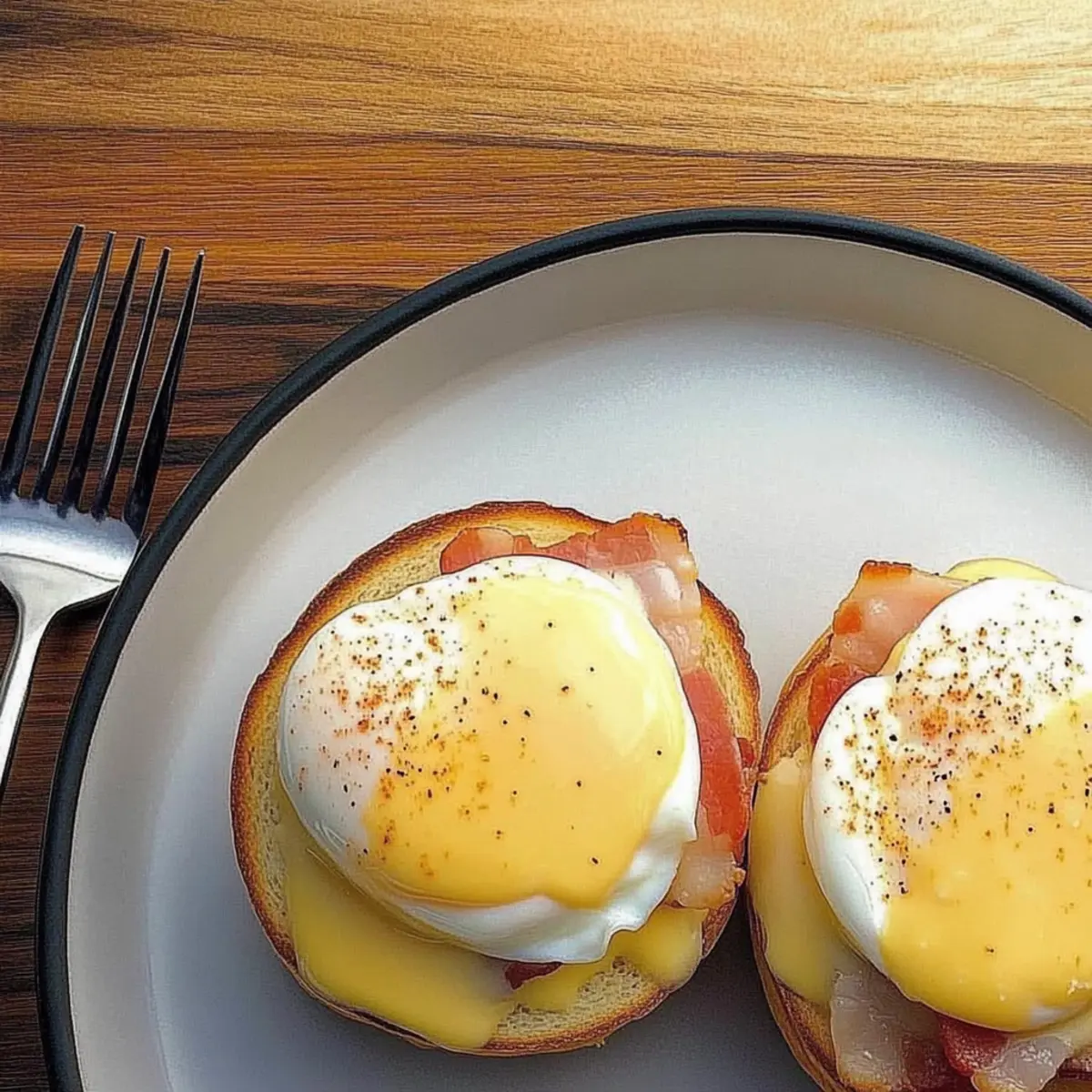
Eggs Benedict Recipe FAQs
What kind of eggs should I use for the best Eggs Benedict?
Absolutely! Always opt for the freshest large eggs you can find, as they will give you the most reliable shape and texture when poached. Fresher eggs tend to have firmer whites, leading to beautifully poached eggs with a smooth appearance.
How should I store leftover Eggs Benedict?
Very! You can store any leftover components separately in the fridge for up to 3 days. Make sure to keep poached eggs in a covered bowl of water to prevent them from drying out. If you have hollandaise sauce left, refrigerate it in an airtight container, but remember that it’s at its best when served fresh.
Can I freeze hollandaise sauce?
The more the merrier! While it’s not the best practice, you can freeze hollandaise sauce for up to 1 month. To do this, place it in an airtight container or freezer bag and ensure to remove as much air as possible. When you’re ready to use it, thaw it in the fridge overnight and gently reheat it, adding a splash of water to adjust the consistency as needed.
What if my hollandaise sauce doesn’t emulsify properly?
Don’t worry! If your hollandaise sauce doesn’t emulsify, you can save it. Simply take another egg yolk and whisk it in a clean bowl. Gradually add the separated sauce while whisking until it thickens properly. This can restore the emulsion and save the day!
Can I make this dish gluten-free?
Absolutely! To accommodate gluten-free diets, substitute English muffins with gluten-free bread or any suitable gluten-free option. Just be sure to check the other ingredients for gluten as well.
What dietary considerations should I keep in mind?
Very! This dish primarily contains eggs and hollandaise, which may affect those with egg allergies. If you’re serving it to a wide range of guests, consider offering alternative proteins like smoked salmon for pescatarians or avocado for a vegetarian option.
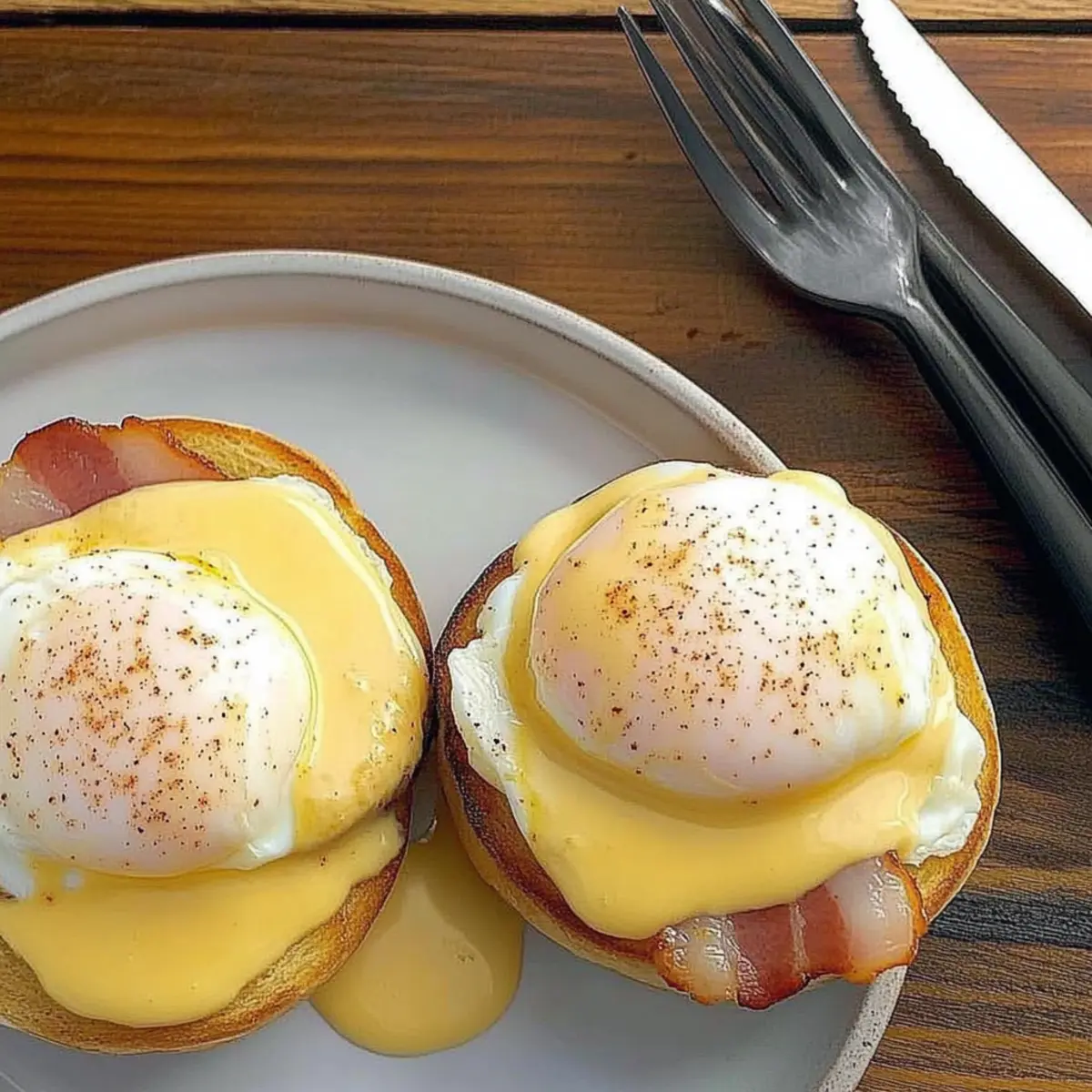
Heavenly Eggs Benedict: Elevate Your Brunch Game Today
Ingredients
Equipment
Method
- In a double boiler, whisk together egg yolks, water, and lemon juice over simmering water. Continue whisking until thickened and reaches 160°F, about 5 minutes.
- Gradually add melted unsalted butter while whisking continuously until fully emulsified. Incorporate white pepper for flavor, then remove from heat and keep warm.
- Fill a pot with water and bring it to a gentle simmer over medium heat. Add vinegar to help the egg whites coagulate.
- Crack each fresh egg into a small bowl before lowering into the water. Cook for 2-4 minutes until whites are set, but yolks remain soft. Use a slotted spoon to remove and set aside.
- Slice English muffins in half and toast until golden brown, about 3-5 minutes. Keep warm on a plate.
- On each toasted muffin half, layer a slice of warm Canadian bacon, followed by a poached egg. Drizzle hollandaise sauce over each egg and sprinkle with paprika.
- Serve immediately for the best result.