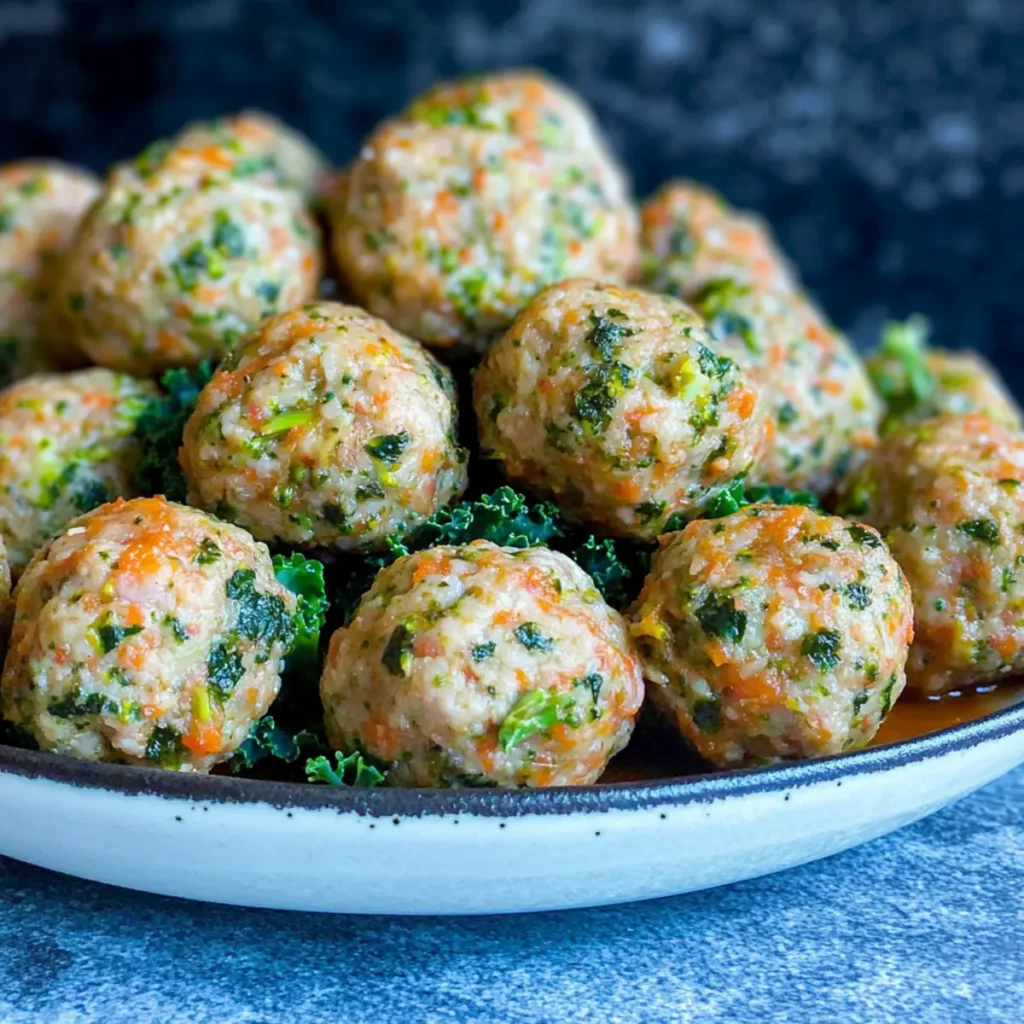

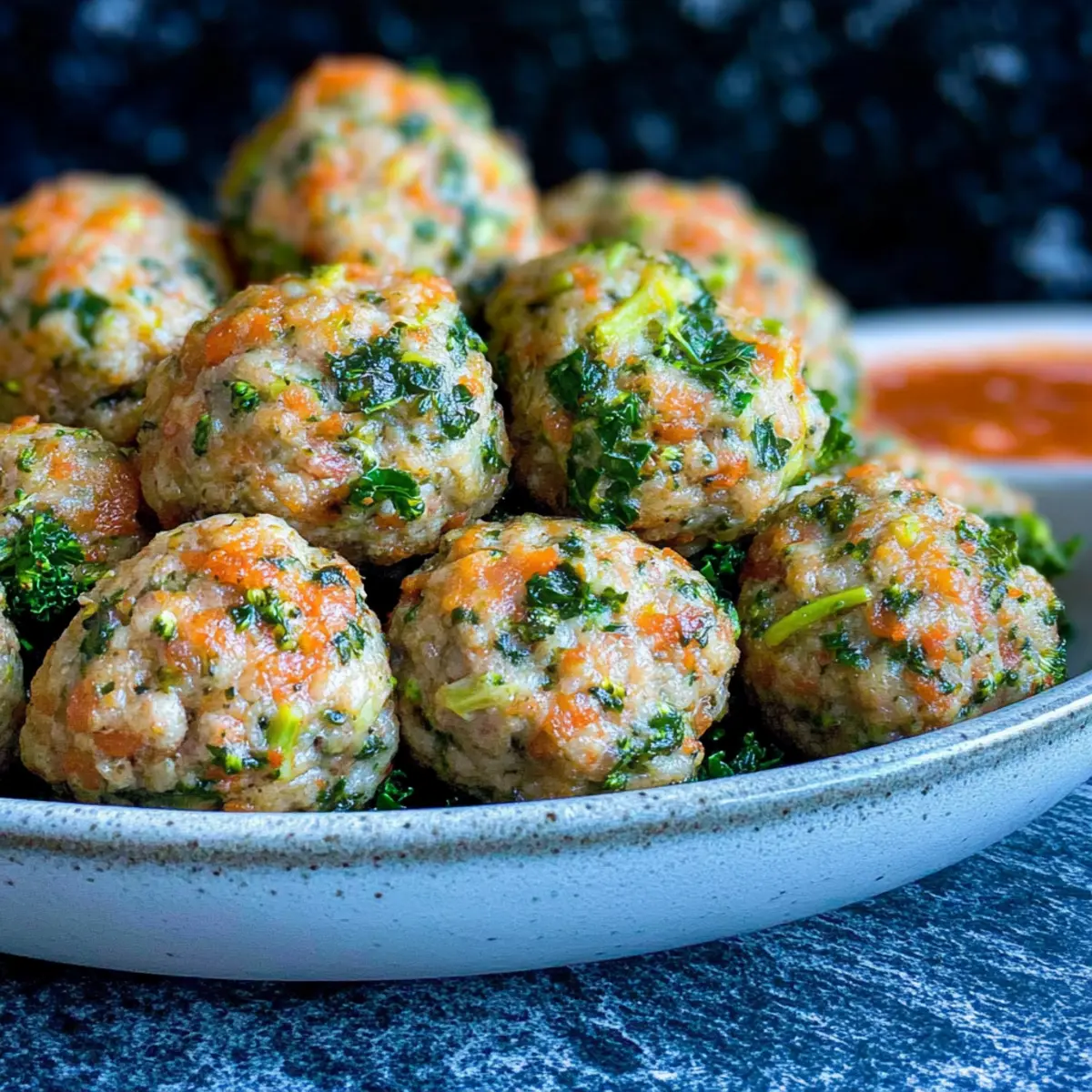
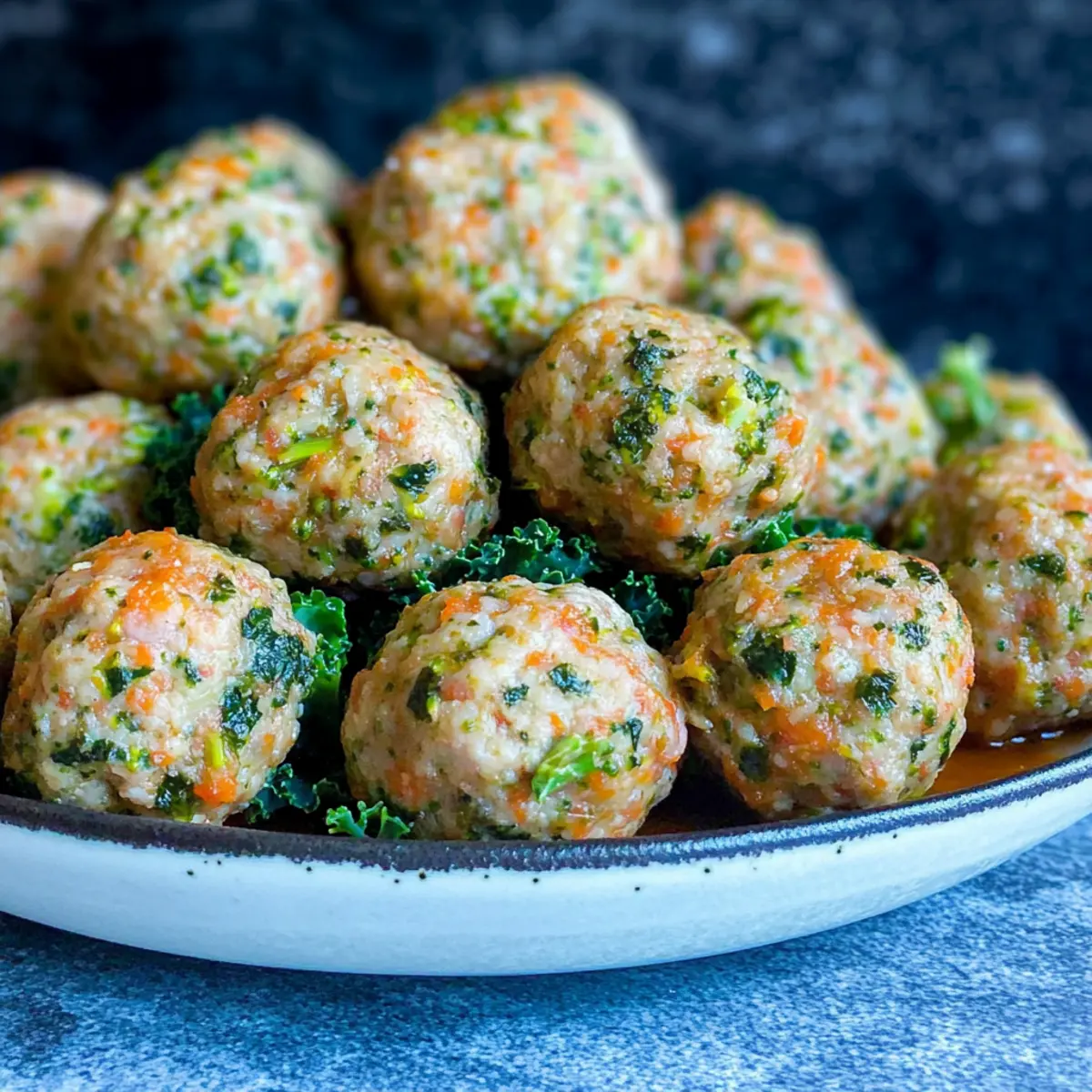
As I stood in the kitchen, the delightful aroma of spices filled the air, taking me back to family dinners that celebrated the joy of home-cooked meals. Today, I’m excited to share my recipe for Loaded Veggie Turkey Meatballs—an invigorating and nutritious option that elevates your standard dinner plans. These meatballs are not only gluten-free and paleo-friendly, but they are also a fantastic way to sneak in those vibrant vegetables we all need. Quick to prepare and perfect for meal prep, you can whip up a batch, freeze them, and have healthy delights ready to heat at a moment’s notice. Trust me, your busy weeknights will thank you! What creative twists will you add to your own veggie meatball adventure?
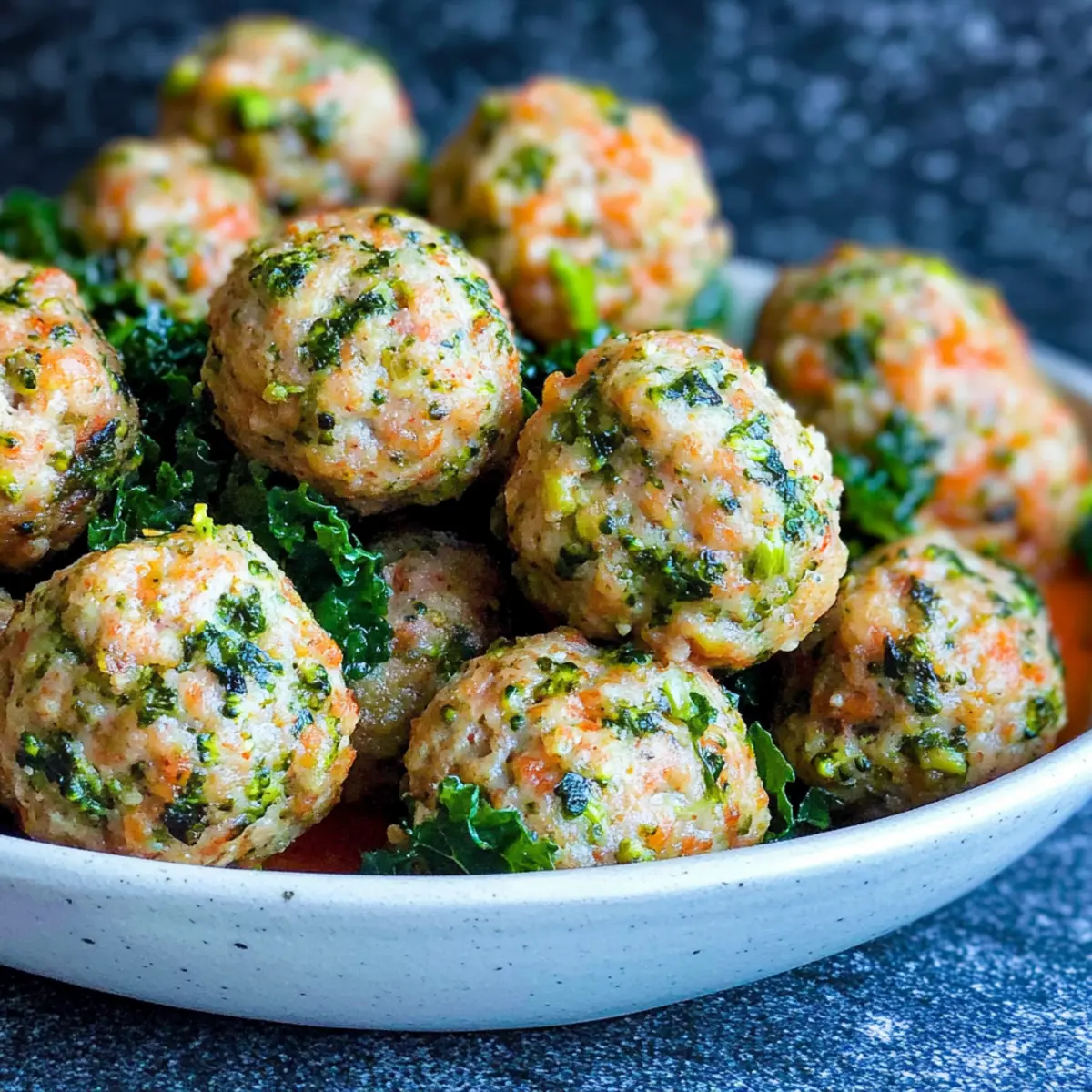
Why Make Loaded Veggie Turkey Meatballs?
Healthful: These meatballs are a fantastic way to sneak in vegetables, making them perfect for families trying to boost their nutrition.
Time-Saving: Great for meal prep, they can be made in bulk and stored in the freezer for easy weeknight dinners.
Flavor-Packed: The combination of spices and fresh herbs brings a burst of flavor that will leave your taste buds dancing.
Versatile: Feel free to swap in your favorite ground meat or veggies, tailoring them to your family’s preferences, just like with my delicious Baby Shower Meatballs.
Crowd-Pleaser: Their juicy texture and savory taste will impress even the pickiest eaters at your dinner table! Enjoy them with marinara on gluten-free pasta or in a wrap for a convenient meal.
Loaded Veggie Turkey Meatballs Ingredients
For the Meatballs
• Ground Turkey – The main protein source; opt for thigh meat for extra moisture and flavor.
• Broccoli Florets – Adds nutrients and texture; lightly steam and finely chop for the best results.
• Kale – Provides additional greens; can substitute with spinach or any favorite leafy green.
• Carrots – Offers sweetness and crunch; finely chopped to blend seamlessly into meatballs.
• Fresh Cilantro – Enhances freshness; basil, parsley, or dill can be used as delicious alternatives.
• Egg – Binds ingredients and adds moisture; remember to beat it before mixing in.
• Butter or Ghee – Adds richness; feel free to substitute with any preferred fat for cooking.
• Coconut Flour – Acts as a binder; almond or cassava flour can work as substitutes, just adjust the quantity.
• Salt – Enhances overall flavor; be sure to taste as you go!
• Garlic Powder – Adds a subtle seasoning; fresh garlic can also be used for a more robust flavor.
• Pepper – Add as desired for that extra kick.
Enjoy these Loaded Veggie Turkey Meatballs that not only satisfy the palate but also sneak in those vital veggies we love!
Step‑by‑Step Instructions for Loaded Veggie Turkey Meatballs
Step 1: Preheat the Oven
Begin by preheating your oven to 400°F (200°C) to prepare for baking. While it warms up, line a baking sheet with parchment paper or place a cooling rack on top to help the meatballs cook evenly, ensuring a slightly crispy exterior while keeping them juicy on the inside.
Step 2: Prepare the Veggies
In this step, finely chop your broccoli florets, kale, and carrots. You can use a food processor for quick, consistent chopping. This helps blend the veggies seamlessly into your Loaded Veggie Turkey Meatballs. Make sure they are finely chopped so that they mix thoroughly and are undetectable for picky eaters.
Step 3: Mix the Meatball Mixture
In a large mixing bowl, combine the ground turkey, chopped vegetables, beaten egg, coconut flour, salt, garlic powder, pepper, and fresh cilantro. Use your hands or a spoon to mix until everything is well incorporated. This hearty mixture is what makes these Loaded Veggie Turkey Meatballs so flavorful and nutrient-packed.
Step 4: Shape the Meatballs
Grab a small cookie scoop or your hands and begin shaping the mixture into uniform meatballs, about 1-1.5 inches in diameter. Aim for 28-30 meatballs so that they cook evenly and fit nicely on your prepared baking sheet, ensuring that they are not overcrowded for optimal cooking.
Step 5: Bake the Meatballs
Carefully place the formed meatballs onto the lined baking sheet, making sure they are spaced apart. Bake in your preheated oven for 15-18 minutes, or until the meatballs are cooked through and golden brown on the outside. They should register an internal temperature of 165°F (74°C) to ensure they are safe and juicy.
Step 6: Cool and Serve
Once baked, remove the Loaded Veggie Turkey Meatballs from the oven and allow them to rest for a few minutes. This cooling period helps the meatballs firm up for easier serving. Enjoy them right away or let them cool completely for meal prep storage.
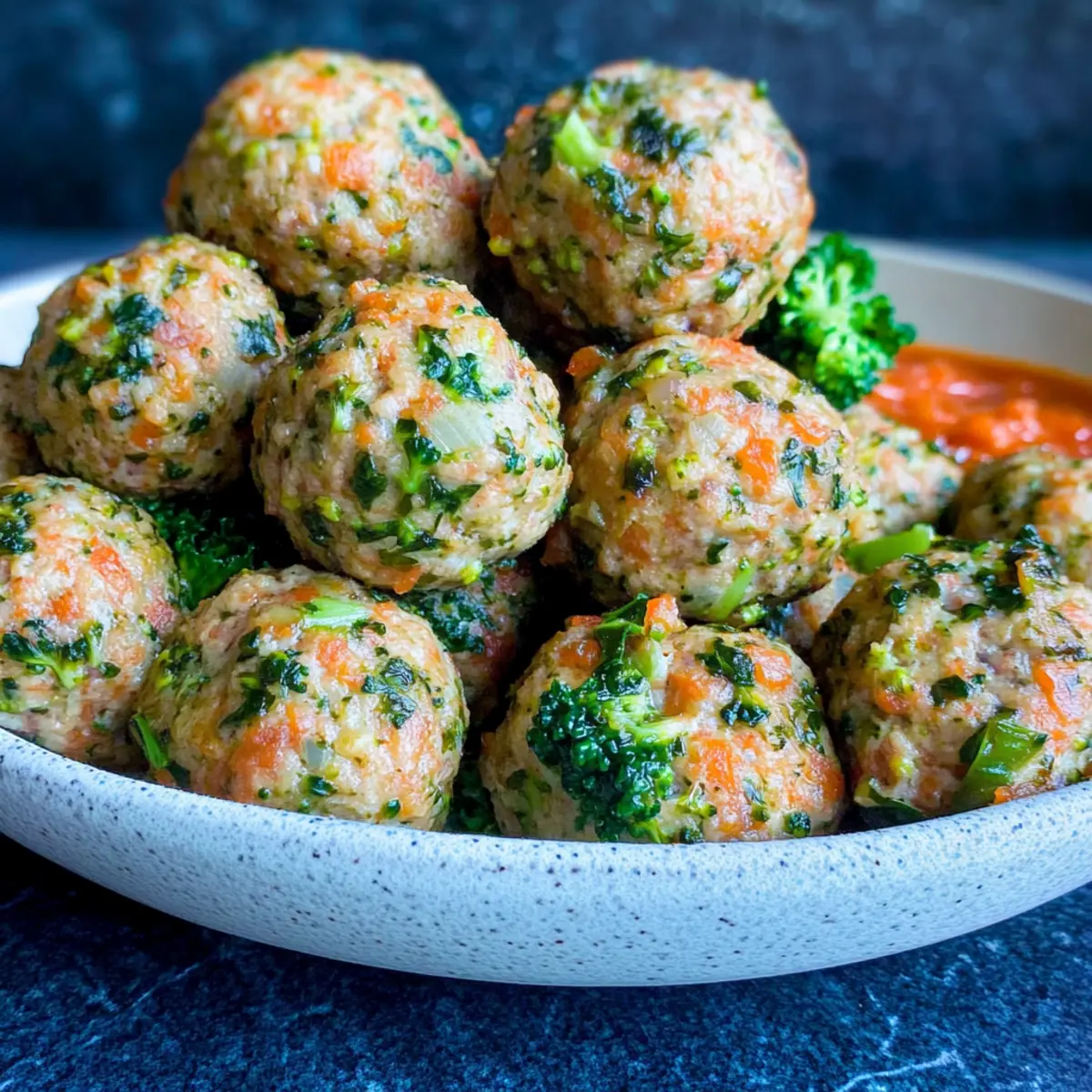
What to Serve with Loaded Veggie Turkey Meatballs?
Imagine a vibrant spread of colors and flavors that enhances the delightful juiciness of your meatballs, creating a wholesome feast.
-
Creamy Mashed Potatoes: The buttery smoothness pairs beautifully with the savory meatballs, creating a comforting and satisfying meal.
-
Garlic Roasted Vegetables: Bright and slightly charred, these add a lovely crunch and a boost of nutrients, harmonizing perfectly with the meatballs.
-
Cauliflower Rice: A light, low-carb alternative that soaks up any sauce or juices, making every bite fulfilling and healthful.
-
Zucchini Noodles: Fresh and twirled, they offer a delightful twist and maintain a refreshing crunch, complementing the meaty flavor.
-
Spinach Salad: A mix of fresh spinach with feta, walnuts, and a tangy dressing brightens up the meal and adds texture and nutrition.
-
Marinara Sauce: Serve a warm bowl of marinara on the side for dipping or drizzling, enhancing the flavor of your Loaded Veggie Turkey Meatballs.
-
Chickpea Salad: This protein-rich side provides a chewy texture that contrasts nicely with the tender meatballs while packing in the nutrients.
-
Chardonnay or Pinot Grigio: A glass of these crisp, fruity wines elevates the meal, providing a refreshing balance that complements the hearty meatballs.
-
Chocolate Avocado Mousse: For dessert, indulge in this creamy delight that feels rich without the guilt, rounding out your nutritious feast.
Loaded Veggie Turkey Meatballs Variations
Feel free to get creative with these Loaded Veggie Turkey Meatballs and tailor them to your family’s tastes or dietary needs!
-
Meat Swap: Use ground beef, chicken, or pork instead of turkey for different flavors and textures. Each meat brings its unique richness, helping you discover delightful new favorites.
-
Veggie Boost: Swap out broccoli and kale for zucchini, spinach, or bell peppers for a colorful twist. Mix it up according to your family’s preferences or the season’s best veggies; the options are endless!
-
Dairy-Free Delight: Replace butter or ghee with olive oil or avocado oil to make these meatballs completely dairy-free. This substitution ensures they remain moist while accommodating those with dietary restrictions.
-
Herb Variations: Customize the herbs by using Italian seasoning, thyme, or oregano instead of cilantro. Each herb will impart a lovely new aroma and flavor profile, enhancing the overall experience just like our Turkey Ribs Healthier.
-
Flavor Up: Add crushed red pepper or diced jalapeños for a spicy kick. Heat lovers will enjoy the pizzazz and excitement that comes with every bite!
-
Nut-Free Option: For those avoiding nuts, substitute coconut flour with cassava or oat flour. Just increase the quantity slightly to ensure the perfect binding of ingredients.
-
Whole30 Compliant: Make adjustments by eliminating any non-compliant ingredients like the egg and replacing it with a flaxseed meal mixed with water for binding. This keeps your meatballs Whole30-friendly while still delicious!
-
Baked or Air-Fried: Bake or air-fry the meatballs to your preferred level of crispiness. Each method will create a unique texture, so feel free to experiment with both options for flavorful results!
Enjoy exploring these variations, and relish the journey of crafting your own Loaded Veggie Turkey Meatballs!
Expert Tips for Loaded Veggie Turkey Meatballs
-
Choose the Right Fat: Incorporating enough fat, like butter or ghee, keeps your meatballs moist. Avoid lean turkey cuts to prevent dryness.
-
Chop Veggies Finely: Use a food processor for finely chopping broccoli, kale, and carrots. This ensures they blend seamlessly into your Loaded Veggie Turkey Meatballs.
-
Gentle Rolling: Roll meatballs gently to maintain tenderness; tightly packed meatballs can become tough during baking.
-
Uniform Sizes: For even cooking, use an ice cream scooper or cookie scoop to form uniformly sized meatballs—around 1-1.5 inches in diameter is perfect.
-
Don’t Skip Cooling: Allow the meatballs to rest after baking. This cooling period helps them firm up, making them easier to serve and store.
Make Ahead Options
These Loaded Veggie Turkey Meatballs are perfect for busy home cooks looking to streamline their meal prep! You can prepare the meatball mixture and shape the meatballs up to 24 hours in advance. Simply store the uncooked meatballs in an airtight container in the refrigerator to maintain their freshness. To cook, just preheat your oven and bake the meatballs as directed when you’re ready to serve, ensuring they remain just as delicious and juicy. Alternatively, you can freeze the uncooked meatballs for up to 3 months. Just place them on a baking sheet to freeze individually before transferring to a freezer bag. When you’re ready to enjoy, bake them straight from frozen, adding a few extra minutes to the cooking time for perfectly tender results!
How to Store and Freeze Loaded Veggie Turkey Meatballs
Fridge: Store cooked meatballs in an airtight container for up to 3 days. Make sure to let them cool completely before sealing to prevent moisture buildup.
Freezer: Freeze meatballs in a single layer on a baking sheet for 1-2 hours, then transfer to a freezer bag or airtight container. They can last up to 3-4 months.
Reheating: Reheat from frozen by placing meatballs in the microwave or oven. If thawed in the fridge, enjoy them in a skillet over medium heat for a quick warm-up.
Meal Prep: Ideal for busy weeks, these Loaded Veggie Turkey Meatballs can be prepped in advance, allowing for nutritious meals at your fingertips!
Loaded Veggie Turkey Meatballs Recipe FAQs
How do I choose the right vegetables for my Loaded Veggie Turkey Meatballs?
Absolutely! For vibrant flavors and textures, I recommend using fresh, bright vegetables. Choose broccoli florets that are firm and green, avoiding any that have dark spots or wilting; these can detract from the dish’s overall appeal. Kale should be crisp, and carrots should be firm without soft spots. If you’re looking for alternatives, zucchini, spinach, or bell peppers also work beautifully.
How should I store leftover Loaded Veggie Turkey Meatballs?
For fridge storage, place your cooked meatballs in an airtight container. They’ll stay fresh for about 3 days. It’s essential to let them cool completely before sealing them up to avoid moisture accumulation, which can lead to sogginess.
Can I freeze Loaded Veggie Turkey Meatballs, and if yes, how?
Very much so! To freeze, first, arrange your uncooked meatballs on a baking sheet lined with parchment paper, ensuring they’re spaced apart. Freeze them for 1-2 hours until solid. Then, transfer the meatballs into a freezer-safe bag or an airtight container. They can be stored for up to 3-4 months. When ready to enjoy, you can bake them directly from frozen, adding a few extra minutes to the cooking time.
What should I do if my meatballs turn out dry?
If your Loaded Veggie Turkey Meatballs are not as juicy as you’d like, there are a few adjustments you can make next time. First, ensure you’re using ground turkey that isn’t extra-lean; opting for thighs will yield better moisture. Secondly, try adding a splash of broth or a bit more beaten egg into your mixture to enhance moisture retention. Mixing the ingredients until just combined is also key; overmixing can lead to dense meatballs.
Are there any dietary restrictions I should consider while making Loaded Veggie Turkey Meatballs?
Certainly! These meatballs can be tailored to accommodate various dietary needs. To keep it gluten-free, ensure you’re using coconut flour as specified. If allergies are a concern, consider making a substitution like flaxseed meal mixed with water as a vegan egg alternative, or replacing the butter with olive oil or avocado oil for a dairy-free option. Always double-check any ingredients to cater to your specific needs!
Loaded Veggie Turkey Meatballs for a Healthy Family Feast
Ingredients
Equipment
Method
- Preheat your oven to 400°F (200°C) and prepare a baking sheet.
- Finely chop broccoli, kale, and carrots, ideally using a food processor.
- In a large mixing bowl, combine all ingredients until well incorporated.
- Shape the mixture into uniform meatballs, about 1-1.5 inches in diameter.
- Place meatballs on the baking sheet, spaced apart, and bake for 15-18 minutes until golden brown.
- Allow meatballs to cool for a few minutes before serving.