

As I stood in my kitchen, the rich aroma of tender meat simmering with a hint of ginger filled the air, instantly transporting me to a cozy family gathering. This Korean Style Pot Roast is more than just a meal; it’s a heartwarming experience that brings loved ones together around the dinner table. With its savory soy sauce and a kick of spicy gochujang, this dish offers a delightful blend of flavors that both comfort and excite. Whether you’re navigating a busy weeknight or hosting a relaxing Sunday dinner, the beauty of this recipe lies in its versatility, accommodating oven, slow cooker, or Instant Pot methods. Plus, it’s a hearty, gluten-free option that leaves everyone wanting seconds. Are you ready to discover how to elevate your weeknight meals with this unforgettable pot roast? Let’s dive in!
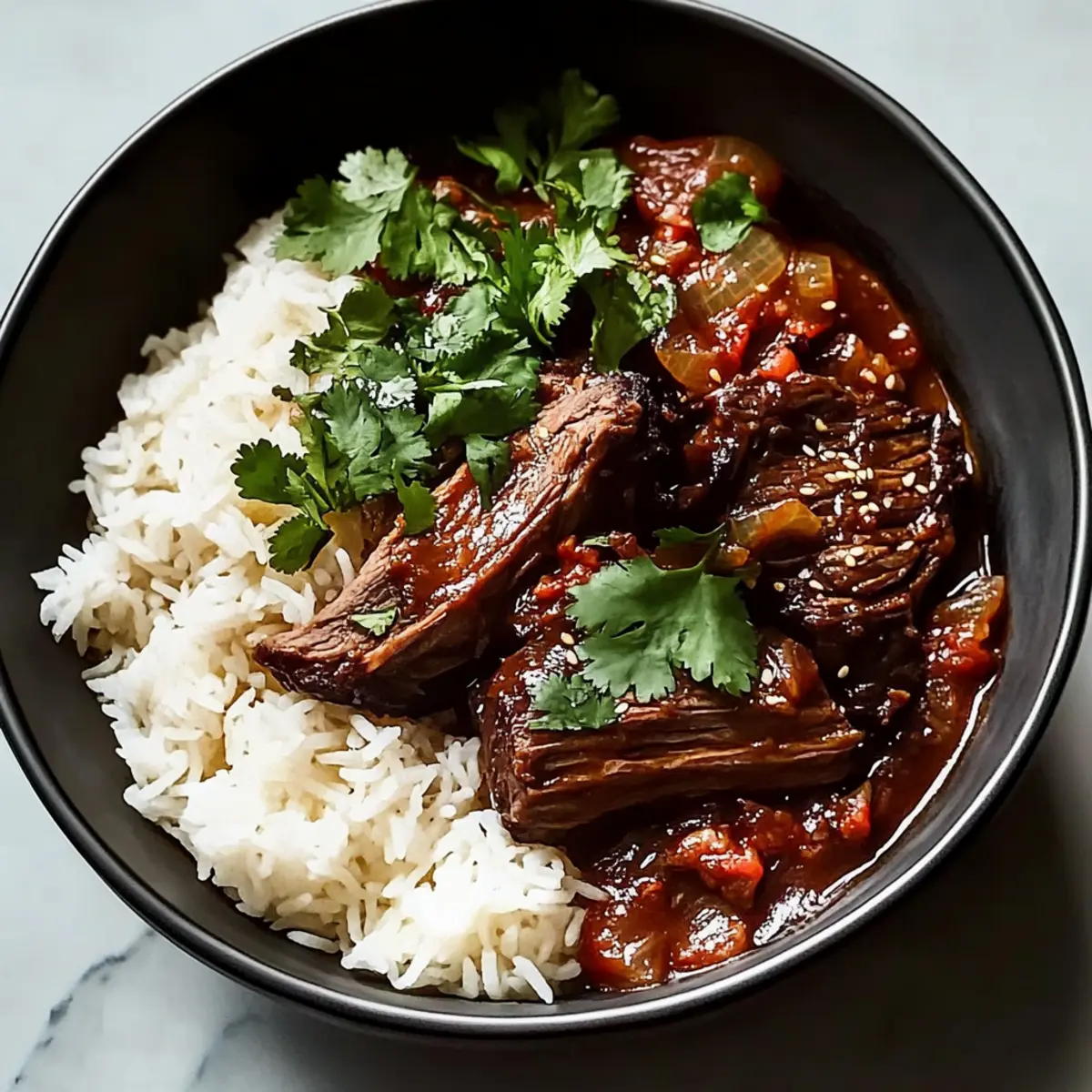
Why is Korean Style Pot Roast a Must-Try?
Heartwarming Experience: The rich aroma wafting through your home will instantly create a cozy atmosphere reminiscent of family gatherings.
Versatility at Its Best: Whether you prefer the oven, slow cooker, or Instant Pot, this dish adapts to your cooking style, making it perfect for any occasion.
Flavor Explosion: A delightful blend of savory soy sauce and spicy gochujang delivers a taste that comforts and excites every palate.
Crowd-Pleasing Delight: This pot roast is a hearty meal that will leave everyone asking for seconds—perfect for feasting with family or friends.
Easy Leftovers: Transform any remaining pot roast into delicious tacos or stir-fries, ensuring nothing goes to waste! For more innovative leftover ideas, check out Leftover Pot Roast.
Korean Style Pot Roast Ingredients
For the Pot Roast
- Chuck Roast – This well-marbled cut is key to achieving the rich, hearty flavor of the dish.
- Kosher Salt – Essential for enhancing the natural flavor of the beef.
- Vegetable Oil – Needed for browning the meat, adding depth to the dish.
- Sweet Onion – Offers a sweet, rich flavor when sautéed.
- Garlic Cloves – Infuses the pot roast with aromatic notes.
- Grated Fresh Ginger – Adds a fragrant, slightly spicy kick that balances the richness.
- Gochujang Paste – This spicy chili paste is vital for creating that authentic Korean flavor.
- Brown Sugar – Helps to mellow out the heat from the gochujang.
- Low-Sodium Soy Sauce/Tamari – Provides a salty umami depth, and tamari is perfect for a gluten-free option.
- Beef Stock – Keeps the roast moist and flavorful as it cooks.
- Fresh Cilantro – A bright garnish that adds freshness when serving.
- Kimchi – A delightful side that enhances authenticity and introduces a tangy contrast.
For Serving
- Jasmine Rice – A fluffy bed for serving the pot roast, absorbing all the delicious juices.
- Steamed Vegetables – Pair with colorful veggies for a complete meal experience.
Step‑by‑Step Instructions for Korean Style Pot Roast
Step 1: Prepare the Meat
Begin by seasoning your chuck roast generously with kosher salt. Cut the roast into 3-inch pieces to ensure even cooking. This preparation step enhances the flavor of the meat and allows it to absorb the rich ingredients you’ll be adding later.
Step 2: Heat Oil & Brown Meat
In a large Dutch oven, heat a couple of tablespoons of vegetable oil over medium-high heat. When the oil shimmers, add the seasoned chunks of chuck roast. Sear them on all sides for about 3–4 minutes each until they develop a beautiful brown crust that locks in the flavor.
Step 3: Sauté Aromatics
Remove the browned meat and set it aside on a plate. In the same pot, add the sliced sweet onion, grated fresh ginger, and minced garlic. Sauté these ingredients for about 5 minutes until the onions become translucent and fragrant, infusing the pot with lovely aromas.
Step 4: Combine Sauce Ingredients
Stir in the vital Korean flavors by adding the gochujang paste, brown sugar, and low-sodium soy sauce or tamari to the sautéed aromatics. Mix them well for about 2 minutes until everything is combined, allowing the heat to meld the flavors together beautifully.
Step 5: Add Stock & Simmer
Pour in about 2 cups of beef stock, stirring to combine with the other ingredients. Bring the mixture to a gentle simmer, which should take about 3 minutes. Once it’s bubbling lightly, return the browned meat to the pot, ensuring it’s submerged in the sauce.
Step 6: Cook
Cover the Dutch oven with a tight-fitting lid and place it in a preheated oven at 350°F (175°C). Let it bake for 2 hours, checking occasionally to ensure it remains moist. The pot roast is done when it’s fork-tender and the flavors are perfectly melded together.
Step 7: Serve
Once cooked, carefully remove the pot roast from the oven and let it rest for about 10 minutes. To serve your Korean Style Pot Roast, place it on a large platter with its savory sauce. Garnish with fresh cilantro and offer kimchi on the side for a delightful, authentic touch.
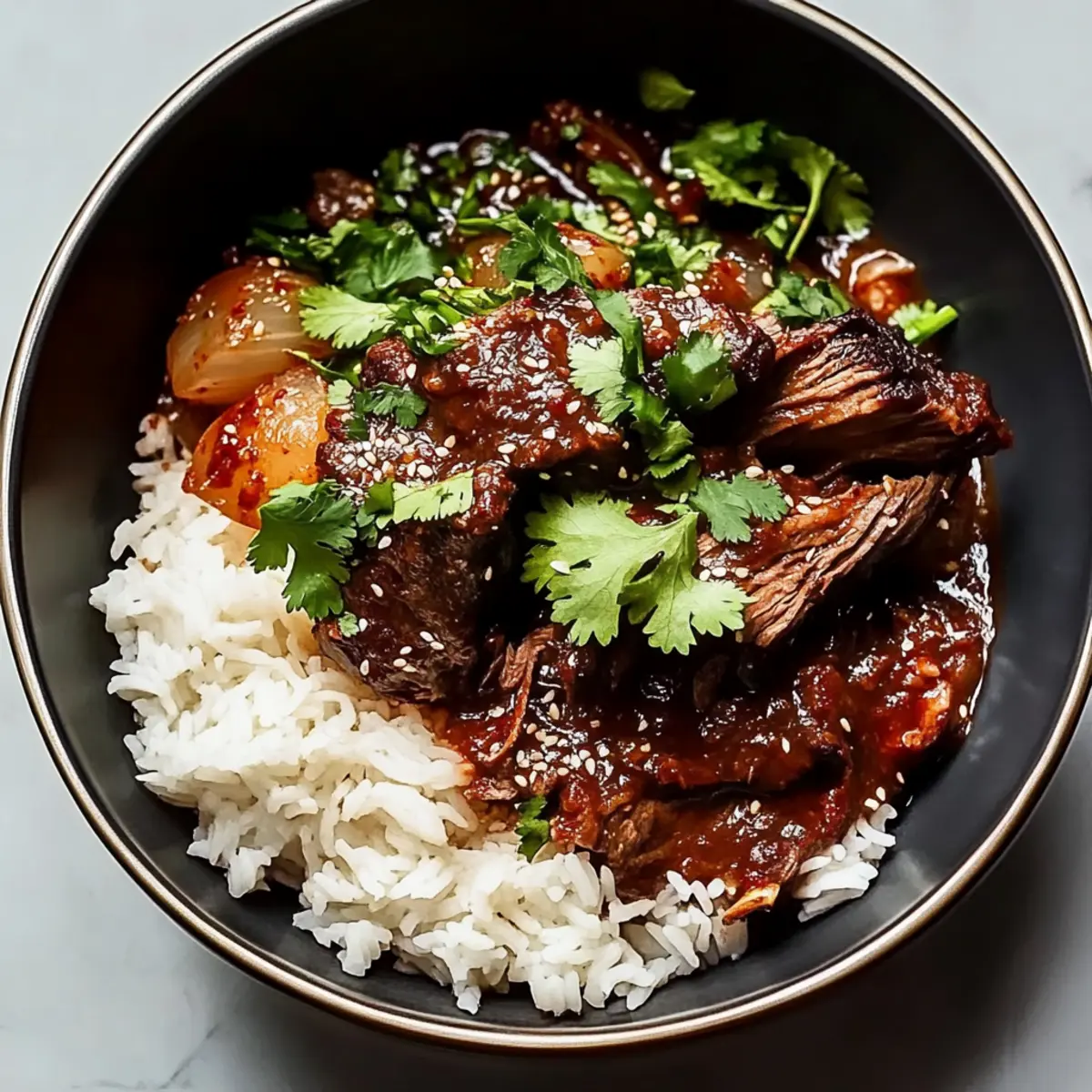
What to Serve with Korean Style Pot Roast
Enhance your cozy family dinner with delightful sides that complement the savory goodness of this hearty dish.
-
Creamy Mashed Potatoes: These buttery potatoes absorb the rich sauce beautifully, adding a comforting texture that pairs perfectly with the pot roast.
-
Steamed Broccoli: The freshness and slight crunch of broccoli offer a vibrant contrast, balancing the rich flavors of the pot roast.
-
Jasmine Rice: Fluffy and aromatic, this rice serves as the perfect base, soaking up every drop of the delicious sauce for an unforgettable meal.
-
Kimchi: Giving an authentic Korean touch, kimchi brings a tangy heat that elevates each bite and enhances the dish’s umami profile.
-
Cucumber Salad: A refreshing, crunchy side that adds a bright, cool contrast, making each mouthful of pot roast even more satisfying.
-
Red Wine: A glass of robust red wine harmonizes with the savory flavors, enhancing the overall dining experience and creating a warm ambiance.
-
Banana Bread: For a sweet finish, this moist, comforting dessert lightens the meal while offering a contrast to the savory pot roast.
Korean Style Pot Roast Variations
Feel free to customize and elevate your Korean Style Pot Roast with these delightful twists that cater to every palate!
-
Gluten-Free: Use tamari instead of traditional soy sauce for a gluten-free version that doesn’t compromise on flavor. It keeps the essence of the dish while accommodating dietary needs.
-
Spicy Kick: Add more gochujang or a sprinkle of red pepper flakes if your family enjoys an extra layer of heat. This variation will definitely bring the “fire” to your dinner table for spice enthusiasts!
-
Pork or Brisket: Substitute the chuck roast with pork shoulder or brisket for a different meat experience. Each option provides its own unique flavors and textures that can perfectly complement the sauce. Picture the juicy bite of brisket melting in your mouth!
-
Hearty Veggies: Toss in chunks of carrots, potatoes, or even mushrooms before simmering. Not only do these vegetables absorb the savory sauce, but they also turn your pot roast into a complete one-pot meal that’s colorful and nutritious.
-
Asian Fusion: Add a splash of sesame oil and a sprinkle of sesame seeds when serving to enhance the flavor and bring a nutty aroma that ties the dish together beautifully. This extra touch adds an authentic Asian flair that will impress your guests.
-
Simmering Pot: If you have a good quality slow cooker ahead, that’s a fantastic way to let the flavors deepen over time. Just layer the ingredients and set it on low while you go about your day!
-
Meatless Version: Try using portobello mushrooms for a plant-based twist. Their meaty texture soaks up all those gorgeous flavors and makes for a hearty and delightful vegetarian option.
For those delicious leftover ideas, don’t forget to explore Leftover Pot Roast or check out tips for Roast Beef Sliders to ensure every bite is equally delicious!
How to Store and Freeze Korean Style Pot Roast
Fridge: Store any leftovers in an airtight container for up to 3-4 days, ensuring the roast stays tender and flavorful for easy reheating.
Freezer: For longer storage, freeze the pot roast in a well-sealed, freezer-safe container for up to three months. Thaw in the fridge overnight when ready to enjoy.
Reheating: To reheat, gently warm in a saucepan over low heat or in the microwave until heated through. If frozen, allow it to thaw completely before reheating to maintain the best flavor and texture.
Make Ahead Options
These Korean Style Pot Roast preparations are perfect for busy home cooks seeking to save time during the week! You can season the chuck roast and cut it into 3-inch pieces up to 24 hours in advance, then refrigerate in an airtight container to lock in flavor. Additionally, you can sauté the onions, garlic, and ginger ahead and store them in the fridge for up to 3 days, ensuring the aromatic base is ready to go. When you’re ready to serve, simply combine the prepped ingredients with gochujang, sugar, soy sauce, and beef stock in your Dutch oven, and bake as instructed for delicious, tender results that are just as comforting as when freshly made! This way, you’ll have a heartwarming family meal with minimal effort.
Expert Tips for Korean Style Pot Roast
-
Browning Matters: While optional, browning the chuck roast enhances flavor. Don’t skip this step for the richest taste.
-
Cooking Time: Adjust the cooking method based on your appliance—ovens, slow cookers, and Instant Pots all have different times. Follow those guidelines closely.
-
Moisture Control: Ensure the roast is submerged in liquid to prevent dryness, particularly when using the oven method.
-
Ingredient Substitutions: Switch the chuck roast for pork or brisket if preferred, and feel free to add hearty vegetables for a complete one-pot meal.
-
Leftover Magic: Repurpose any leftover pot roast into delicious tacos or stir-fries—keeping the flavors fresh and exciting!
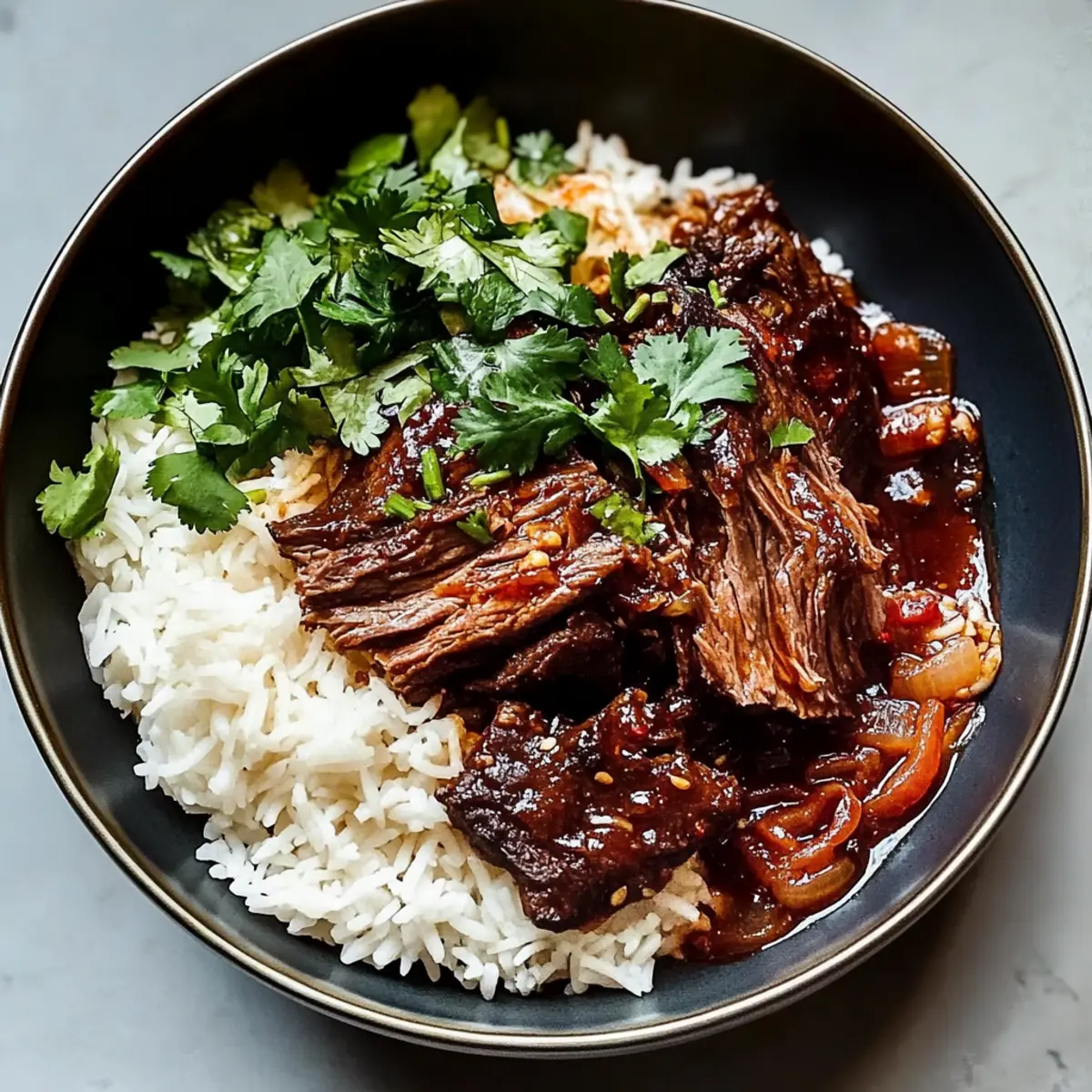
Korean Style Pot Roast Recipe FAQs
What kind of meat should I use for Korean Style Pot Roast?
Absolutely! A well-marbled chuck roast is the best choice as it offers a rich, hearty flavor. The marbling ensures tenderness and flavor throughout the cooking process, making it perfect for slow cooking methods.
How should I store leftovers from the pot roast?
To store leftovers, place them in an airtight container in the refrigerator. They’ll stay fresh for about 3-4 days. Make sure to let them cool before sealing to avoid condensation which can lead to sogginess.
Can I freeze Korean Style Pot Roast?
Yes, indeed! To freeze, allow the pot roast to cool completely, then transfer it into a well-sealed, freezer-safe container. It can be frozen for up to three months. When you’re ready to enjoy it again, simply thaw it in the refrigerator overnight.
What can I do if the pot roast turns out dry?
No worries! If your pot roast turns out dry, it may not have had enough liquid during cooking. For next time, make sure the roast is submerged in liquid. If you do find yourself with dry leftovers, add a splash of beef stock while reheating to restore moisture and flavor.
Are there any dietary concerns with Korean Style Pot Roast?
Very much! If you’re preparing this dish for someone with gluten sensitivities, be sure to use tamari instead of soy sauce, as it’s gluten-free. Additionally, always check the specific brands of gochujang as some may contain gluten.
What can I serve with Korean Style Pot Roast?
I recommend pairing it with fluffy jasmine rice and steamed vegetables for a complete meal. A side of kimchi adds a delightful tang that complements the savoriness of the pot roast beautifully!
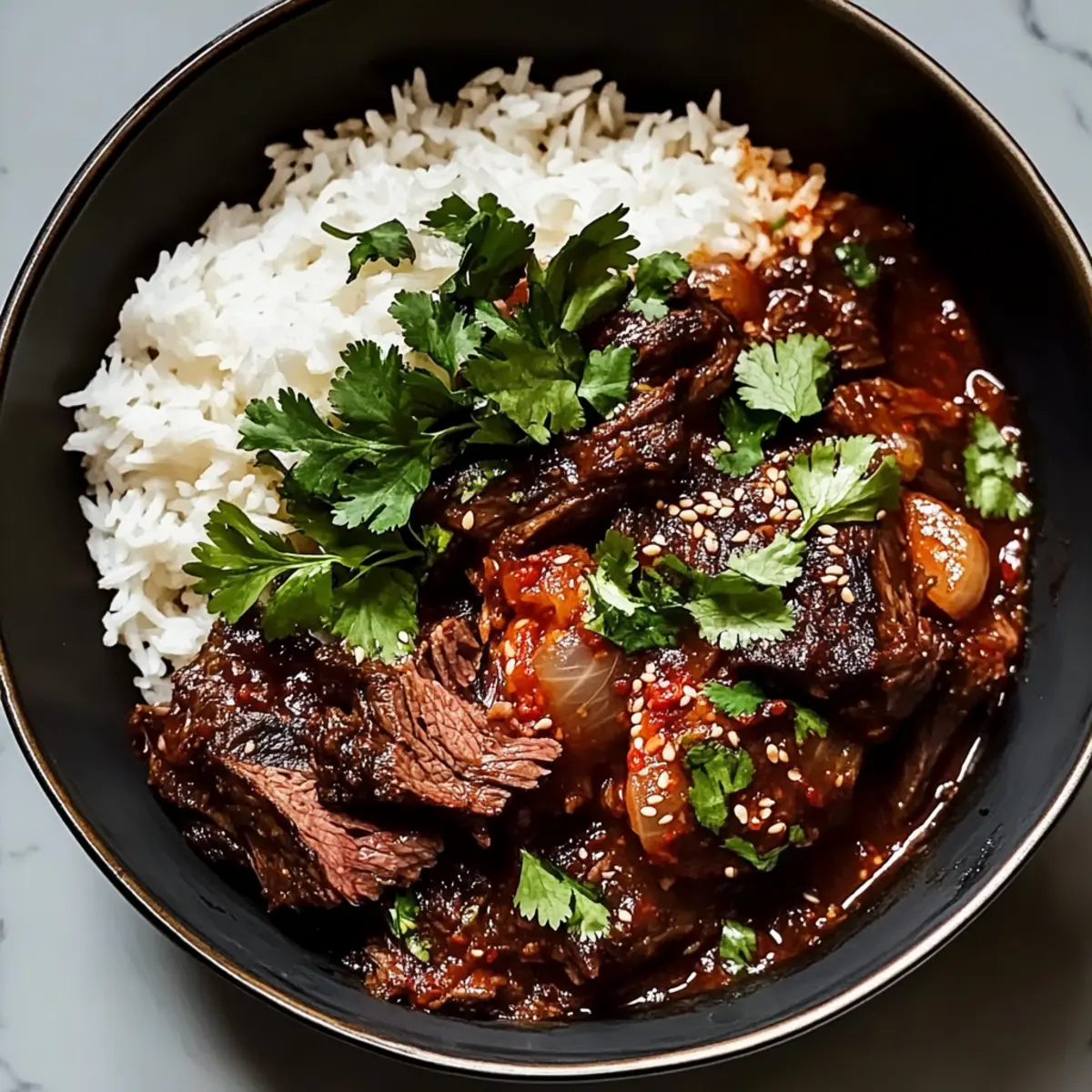
Korean Style Pot Roast: Comforting Flavors for Family Feasts
Ingredients
Equipment
Method
- Season the chuck roast generously with kosher salt and cut into 3-inch pieces.
- Heat vegetable oil in a Dutch oven over medium-high heat and brown the meat on all sides for about 3-4 minutes.
- Remove browned meat and sauté sweet onion, ginger, and garlic for about 5 minutes until fragrant.
- Add gochujang paste, brown sugar, and soy sauce, mixing well for 2 minutes.
- Pour in beef stock, bring to a gentle simmer, then return the meat to the pot.
- Cover and bake in a preheated oven at 350°F (175°C) for 2 hours until fork-tender.
- Let the pot roast rest for about 10 minutes before serving with sauce, garnished with cilantro and kimchi on the side.