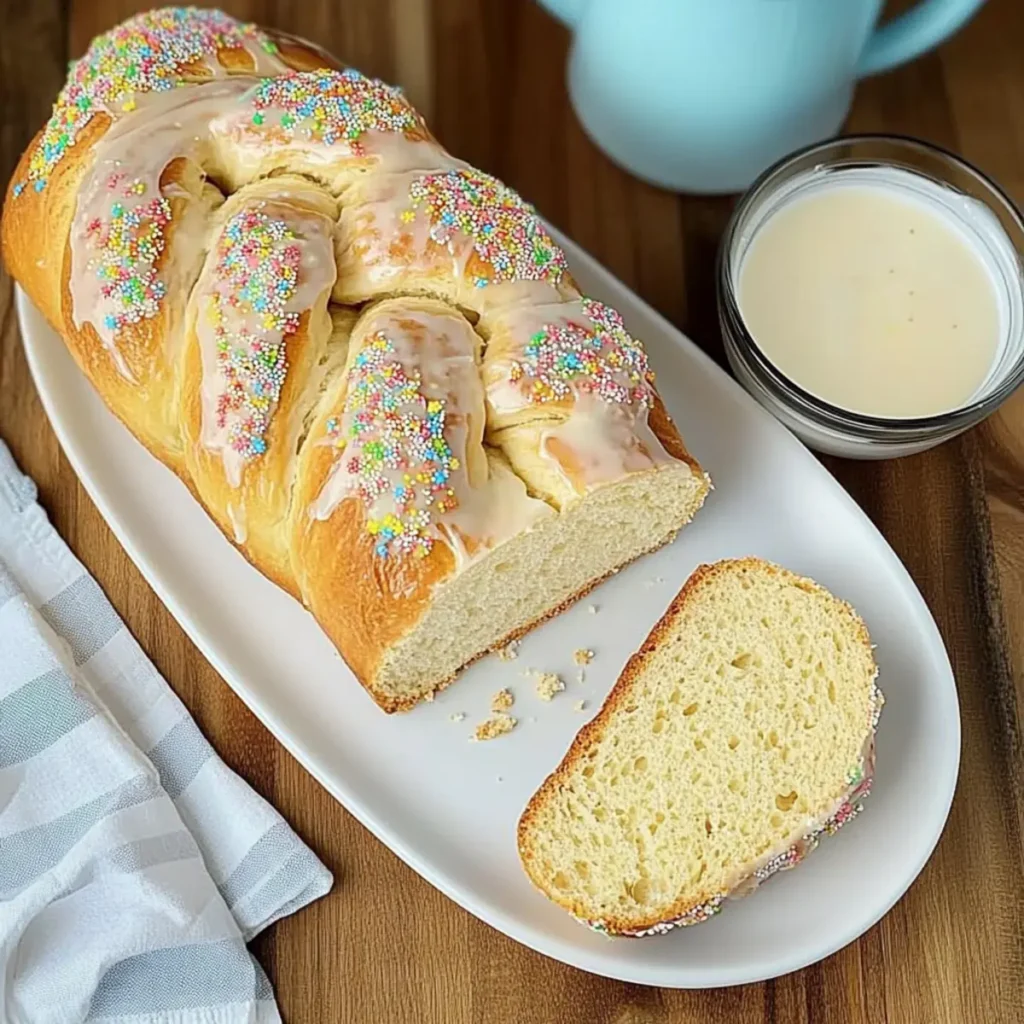

As I unwrapped my grandmother’s handwritten recipe card, the smell of freshly baked Paska Bread filled my kitchen, transporting me to countless Easter celebrations from my childhood. This traditional Ukrainian Easter bread, with its glossy golden crust and soft, airy center, has a well-deserved spot at our holiday table — but honestly, it’s so delightful that I make it year-round. With every step of the process, from mixing the rich, eggy dough to braiding it into perfection, I find a deep sense of connection to my heritage. Plus, the beauty of Paska is that it’s not just a feast for the eyes; it’s a quick sip of nostalgia that’s freezer-friendly and versatile enough to serve as a comforting everyday treat. Ready to mix up your own batch? What special occasions will you celebrate with this incredible bread?
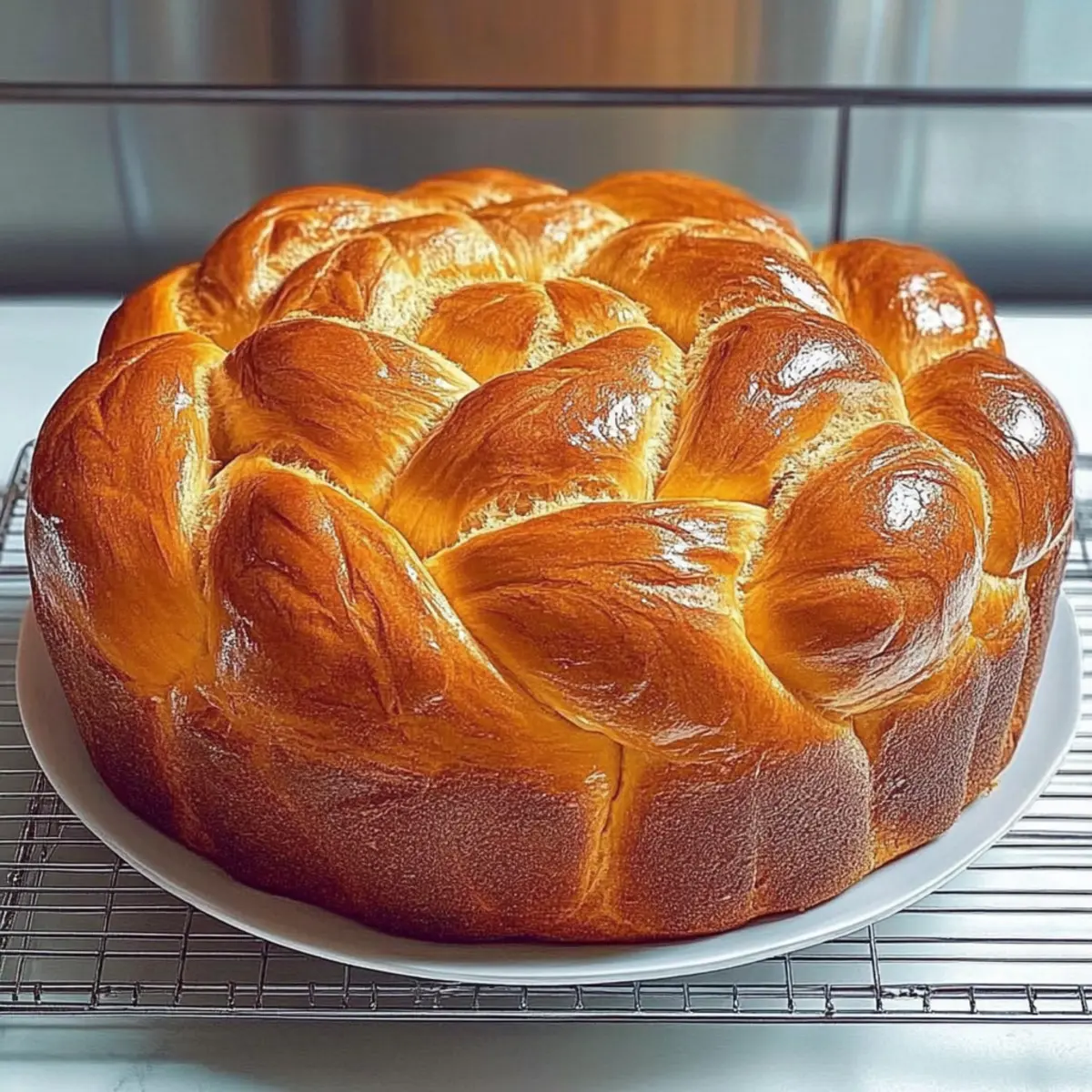
Why make Paska Bread this Easter?
Tradition, experience the joy of making a bread with deep cultural roots that connects generations. Ease, this recipe requires only basic baking skills, ensuring your success in the kitchen. Irresistible aroma while baking will fill your home with warmth, creating a cozy atmosphere. Versatile treat; enjoy it plain, or dress it up with butter, honey, or your favorite preserves. Plus, crowd-pleaser! Perfect for gatherings or as a delightful centerpiece at your holiday brunch. If you’re looking for more delicious ideas, check out this Garlic Bread Air recipe for a fantastic side dish!
Paska Bread Ingredients
Here’s everything you need to whip up your own delightful Paska Bread!
For the Dough
- Active Dry Yeast – A leavening agent to help the bread rise; make sure it’s fresh for the best results.
- Sugar – Adds sweetness and aids in yeast activity; feel free to use honey as a natural substitute.
- Warm Water – Activates the yeast; use water between 110° to 115°F for optimal activation.
- Nonfat Dry Milk Powder – Enhances richness and flavor; regular milk powder works in a pinch.
- All-Purpose Flour – Provides structure; consider using bread flour for an extra chewy texture.
- Large Eggs – Enrich the dough and assist with leavening; room temperature eggs incorporate better.
- Melted Butter – Adds moisture and flavor; substitute with vegetable oil for a dairy-free option.
- Salt – Essential for flavor; don’t skip it, as it helps control the yeast’s activity.
For the Glaze
- Egg Glaze – A mixture of eggs and water for a shiny finish; vital for presentation.
Step‑by‑Step Instructions for Paska Bread
Step 1: Yeast Activation
Start by dissolving 2 tablespoons of active dry yeast and 1 teaspoon of sugar in 1 cup of warm water, ideally between 110° to 115°F. Let the mixture sit in a large mixing bowl for about 5 minutes until it becomes frothy, which indicates your yeast is alive and ready to help paska bread rise.
Step 2: Dough Mixing
Once the yeast is activated, add 1/4 cup of nonfat dry milk powder and 5 cups of all-purpose flour into the bowl. Stir until the mixture is smooth and well combined; this should take about 2-3 minutes. Cover the bowl with a kitchen towel and let it rise in a warm place for about 20 minutes, until it appears bubbly and slightly puffy.
Step 3: Incorporation
After the initial rise, mix in 4 large room temperature eggs, 1/2 cup of melted butter, and 1/2 cup of sugar. Add 1 teaspoon of salt to enhance the flavor. Combine the ingredients well. Gradually incorporate additional flour, about 1-2 cups, until a soft dough forms that pulls away from the bowl edges.
Step 4: Kneading
Transfer the dough to a well-floured surface. Knead the dough for 8 to 10 minutes until it becomes smooth and elastic. You’ll know it’s ready when it springs back after pressing gently. If you have a stand mixer, use the dough hook attachment on medium speed to make this process easier.
Step 5: First Rise
Place the kneaded dough into a lightly greased bowl, turning it once to coat the surface. Cover with plastic wrap or a damp cloth, and let it rise in a warm area for about 1 hour, or until it has doubled in size. This step is crucial for achieving the soft, airy texture characteristic of paska bread.
Step 6: Shaping
Once the dough has risen, punch it down gently to release the air. Divide it into two equal parts and shape each part as desired. For a traditional braid, take a portion of reserved dough, roll it into strands, and braid them atop the round loaves placed in greased springform pans. Ensure they look beautiful and well-formed.
Step 7: Final Rise
Cover the shaped loaves with a kitchen towel and allow them to rise for another hour or until they have doubled in size. Take this time to preheat your oven to 350°F, ensuring it reaches the right temperature for even baking.
Step 8: Glazing and Baking
After the final rise, prepare an egg glaze by whisking one egg with a tablespoon of water. Brush this mixture over the tops of each loaf for that lovely shiny finish. Bake the paska bread in the preheated oven for 50 to 60 minutes, or until the crust is golden brown and sounds hollow when tapped on the bottom.
Step 9: Cooling
Once baked, carefully remove the paska bread from the springform pans and place them on a wire rack to cool completely. This cooling time is essential to allow the bread to finish setting and develop the perfect texture for serving, making your homemade paska bread a delightful treat to enjoy.
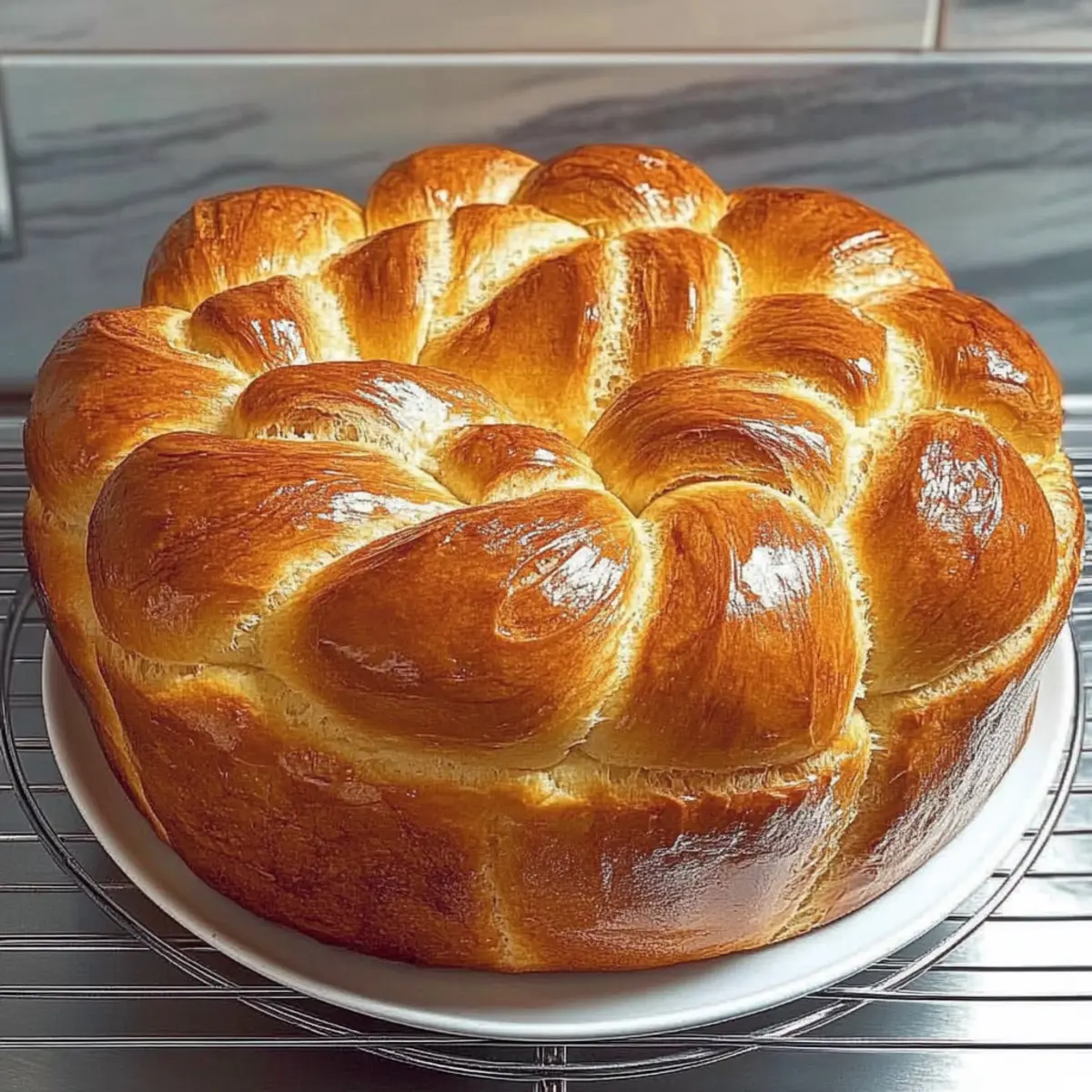
Paska Bread Variations & Substitutions
Feel free to customize your Paska Bread to make it uniquely yours—let your creativity shine!
-
Dried Fruits: Incorporate raisins or currants into the dough for a sweet, chewy surprise. This little twist adds delightful texture and flavor, making your bread even more inviting.
-
Citrus Zest Glaze: Enhance your egg glaze with lemon or orange zest for an aromatic pop! The bright, citrusy notes will elevate your bread and offer a refreshing contrast.
-
Nuts: Add chopped walnuts or almonds to the dough for a crunchy texture. Their richness pairs beautifully with the soft, sweet bread, giving each slice a satisfying crunch.
-
Spiced Variation: Include a teaspoon of cinnamon or cardamom in your dough for a warm spice aroma. It not only enhances the flavor but also gives you that cozy, homey feel every time you slice it.
-
Herb-Infused Butter: Swap regular melted butter for herb-infused versions like rosemary or garlic oil. This unexpected twist introduces savory undertones that can transform Paska into a perfect side dish.
-
Individual Loaves: Shape the dough into smaller, individual loaves for easy serving. These charming little breads are perfect for gift-giving or gathering with friends during a brunch.
-
Whole Wheat Flour: Substitute part of the all-purpose flour with whole wheat flour for a nuttier flavor and an added nutritional boost. It brings a hearty element to this traditionally sweet bread.
-
Sourdough Starter: If you’re feeling adventurous, incorporate some sourdough starter into your dough for a tangy flavor and added complexity. This twist will give your Paska a unique spin and elevate its overall taste.
Once your Paska Bread is beautifully baked, enjoy it with a bit of butter or honey, and for more delicious ideas, don’t miss out on this delightful Buckwheat Bread Nutritious recipe for another fabulous homemade treat!
What to Serve with Classic Paska Bread?
Indulging in the fluffy delight of Paska Bread offers an opportunity to create a delightful spread that enhances any gathering.
- Creamy Butter: Slathering warm Paska Bread with rich, creamy butter enhances its soft texture and adds an irresistible flavor.
- Honey Drizzle: A light drizzle of honey adds a sweet touch, perfectly complementing the bread‘s richness, making it a simple yet elegant choice.
- Tart Fruit Preserves: Spread your favorite fruit preserves for a burst of fruity freshness that balances the bread‘s richness beautifully.
- Scrambled Eggs: Pair with fluffy scrambled eggs for a glorious breakfast that celebrates both tradition and flavor in every bite.
Nothing beats the combination of fluffy Paska and fluffy eggs, creating a cozy start to any day.
- Crispy Bacon: The salty, savory crunch of crispy bacon complements the soft texture of the bread. It’s an irresistible pairing for brunch.
- Spring Salad: A light spring salad features fresh greens and citrus notes, offering a refreshing contrast to the rich bread, brightening your meal.
- Sweet Wine: A chilled sweet white wine echoes the sweetness of the bread, creating a harmonious drink choice for festive occasions.
- Coffee or Tea: Warm beverages like coffee or tea balance the sweetness and enhance the overall flavor experience of enjoying Paska.
- Easter Ham: If you’re celebrating, a succulent Easter ham pairs perfectly with Paska Bread, making it a joyful centerpiece for your holiday table.
Elevate your meal with these delightful combinations, ensuring a memorable experience each time you break bread!
Make Ahead Options
Paska Bread is a fantastic recipe for meal prep, making it easier for busy home cooks to enjoy this delightful treat. You can prepare the dough up to 24 hours in advance by following the first five steps, then cover it tightly and refrigerate to slow down the rising process. Just remember to let it come to room temperature (about 30-60 minutes) before shaping and performing the final rise. If you prefer, you can also shape the loaves ahead of time and store them in the fridge overnight, covered with plastic wrap. This way, your Paska Bread will still emerge fresh and fluffy, just as delicious as if it were made the same day! When you’re ready to bake, preheat your oven, let the shaped loaves rise until doubled, glaze, and bake for a festive centerpiece or a warm family treat.
Storage Tips for Paska Bread
Room Temperature: Keep Paska Bread wrapped in a clean kitchen towel or plastic wrap at room temperature for up to 5 days to maintain its freshness.
Fridge: While refrigeration can dry bread out, if you need to store it longer, wrap it tightly and place it in the fridge for up to a week.
Freezer: For optimal preservation, double wrap your Paska Bread in plastic wrap and then foil before placing it in the freezer. It can last for up to 3 months.
Reheating: To enjoy your Paska Bread again, thaw it in the fridge overnight and warm it in a 350°F oven for about 10-15 minutes. This brings back the delightful texture, making it a scrumptious treat once more.
Expert Tips for Perfect Paska Bread
-
Fresh Ingredients: Always use fresh yeast for the best rise. Stale yeast can leave your Paska Bread flat and dense.
-
Temperature Matters: Ensure your warm water is between 110° to 115°F. Too hot can kill the yeast, while too cold won’t activate it.
-
Knead Well: Proper kneading develops gluten, giving your bread a soft, fluffy texture. Aim for 8-10 minutes of kneading for the best results.
-
Don’t Rush Rising: Allow both rising phases the full time to double in size. A rushed rise can lead to dense bread.
-
Perfect Glaze: The egg wash not only adds shine but also enhances the flavor. Don’t skip this step for a beautiful, glossy finish.
-
Use a Thermometer: Checking the internal temperature is crucial. Your Paska Bread should reach 190°F for perfect doneness.
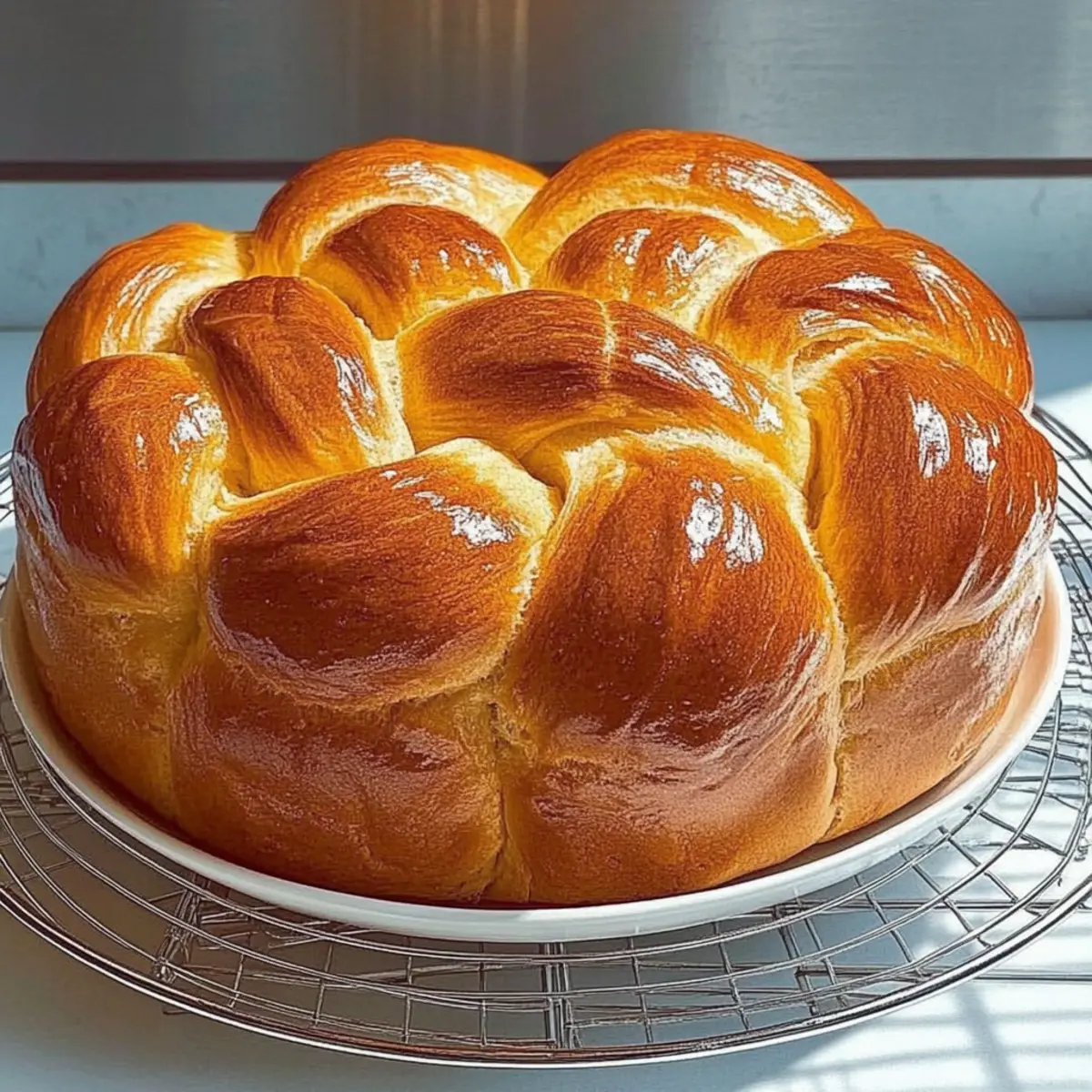
Paska Bread Recipe FAQs
What type of yeast should I use for Paska Bread?
Absolutely, using active dry yeast is essential for this recipe. Make sure it’s fresh for the best results — if your yeast doesn’t froth in the warm water during activation, it might be too old, and I recommend getting a new batch.
How do I know when my Paska Bread is perfectly baked?
Check the internal temperature with a thermometer; it should reach 190°F. Additionally, you can tap the bottom of the loaf — it should sound hollow! This indicates that your bread has developed that lovely golden-brown crust.
How can I store leftover Paska Bread?
After letting it cool completely, wrap your Paska Bread in a clean kitchen towel or plastic wrap, and keep it at room temperature for up to 5 days. For longer storage, it’s best to double wrap it and freeze it — it’ll stay fresh for up to 3 months!
Can I freeze Paska Bread? How do I do it?
Absolutely! To freeze, first cool the bread completely. Then double wrap it tightly in plastic wrap followed by aluminum foil. This double wrapping prevents freezer burn. When you’re ready to enjoy some, just thaw it in the fridge overnight and warm it in a 350°F oven for about 10-15 minutes to revive its fresh-baked texture.
What dietary considerations should I keep in mind?
If you’re serving this bread to someone with allergies, remember it contains eggs and dairy from the butter and milk powder. For a dairy-free version, substitute the melted butter with vegetable oil and use non-dairy milk powder. It’s also advisable to check your guests’ dietary restrictions to ensure everyone can enjoy the bread safely.
Why is my Paska Bread not rising well?
The key factor often lies in the yeast activity. Ensure the warm water is between 110° to 115°F. If it’s too hot, it will kill the yeast, while too cold will prevent activation. Also, pay attention to the rising time; it should double in size during both rises for a soft, fluffy texture.
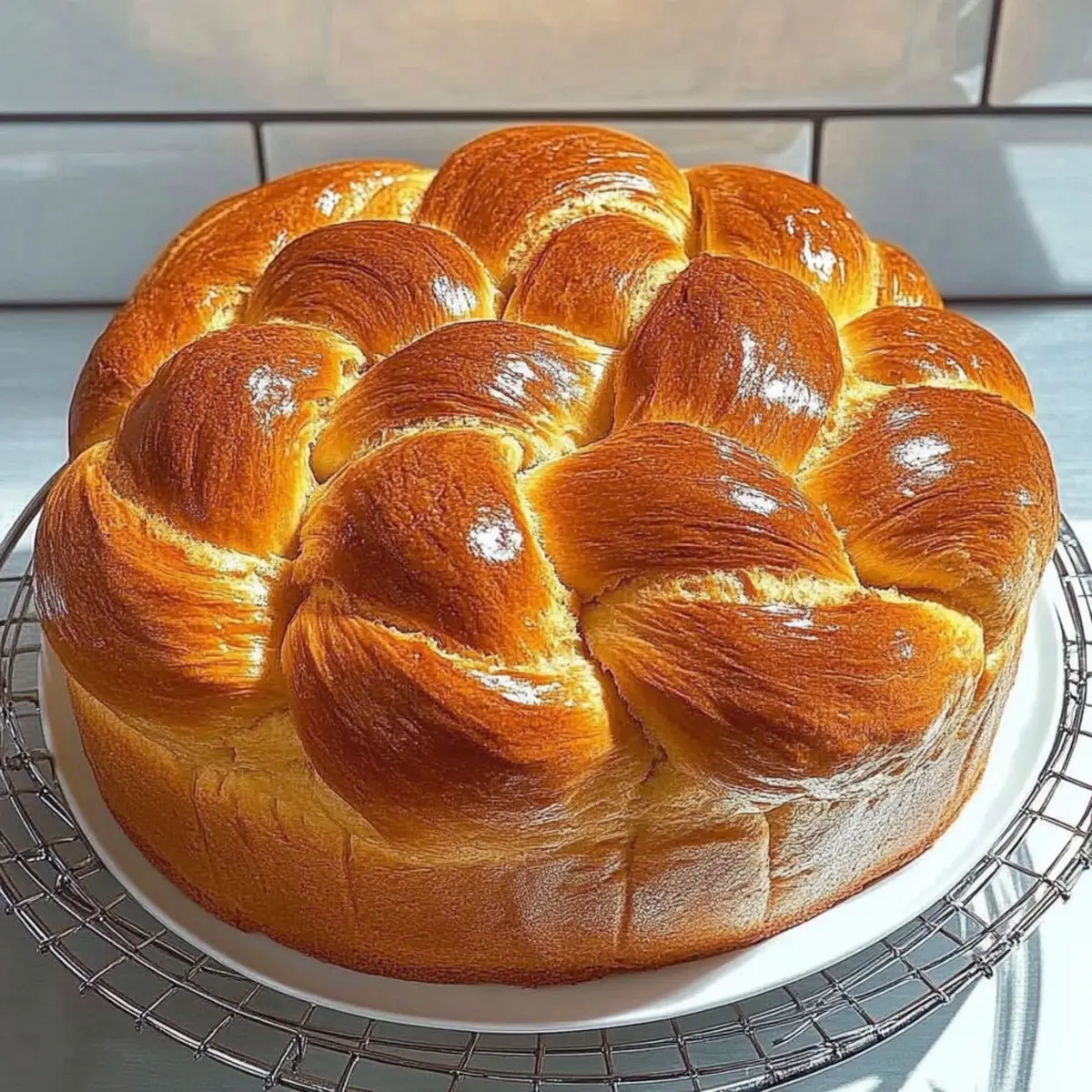
Delicious Paska Bread: Your New Favorite Easter Treat
Ingredients
Equipment
Method
- Dissolve 2 tablespoons of active dry yeast and 1 teaspoon of sugar in 1 cup of warm water. Let sit for about 5 minutes until frothy.
- Add 1/4 cup of nonfat dry milk powder and 5 cups of all-purpose flour into the bowl. Stir until smooth and combined.
- Mix in 4 large eggs, 1/2 cup melted butter, and 1/2 cup sugar. Add 1 teaspoon of salt and combine well.
- Knead the dough for 8 to 10 minutes until it becomes smooth and elastic.
- Place kneaded dough in a greased bowl, cover, and let rise for about 1 hour until doubled in size.
- Punch down the dough, divide into two parts, and shape as desired.
- Cover shaped loaves and let them rise for another hour.
- Prepare egg glaze by whisking one egg with a tablespoon of water and brush over the tops.
- Bake in a preheated oven at 350°F for 50 to 60 minutes until golden brown.
- Cool on a wire rack before serving.